

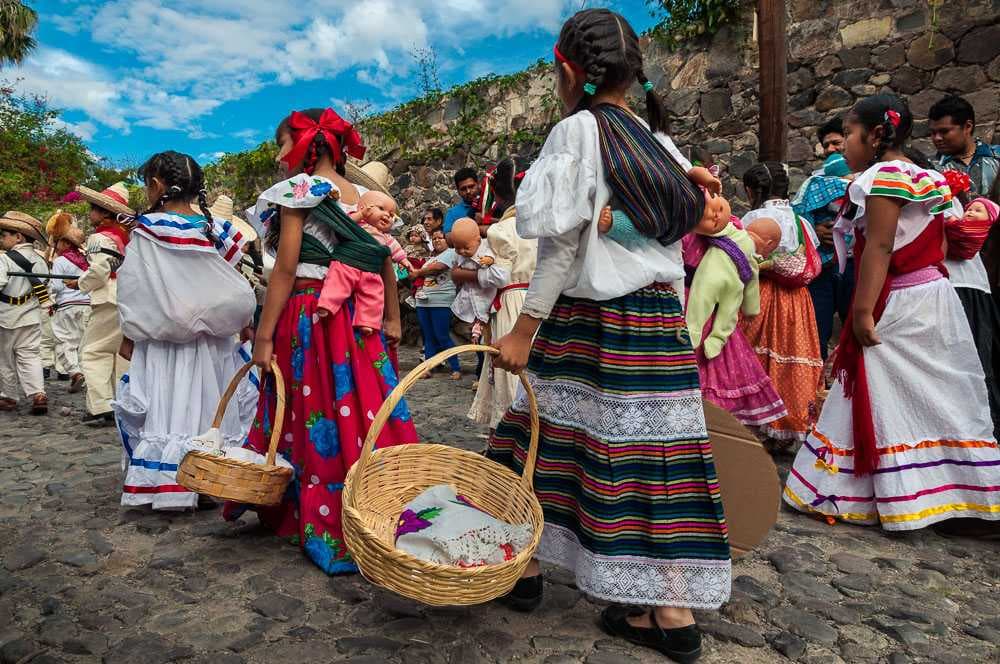
Mexico's most famous holiday, the Day of the Dead, is a multi-day festival packed with things to see in the towns around Lake Chapala.
For anyone used to the orderly system of life and death north of the border, the holiday can strike outsiders as a macabre celebration of death. Its nighttime graveyard vigil and many images of the dead could first appear as a grim way to remember the ancestors.
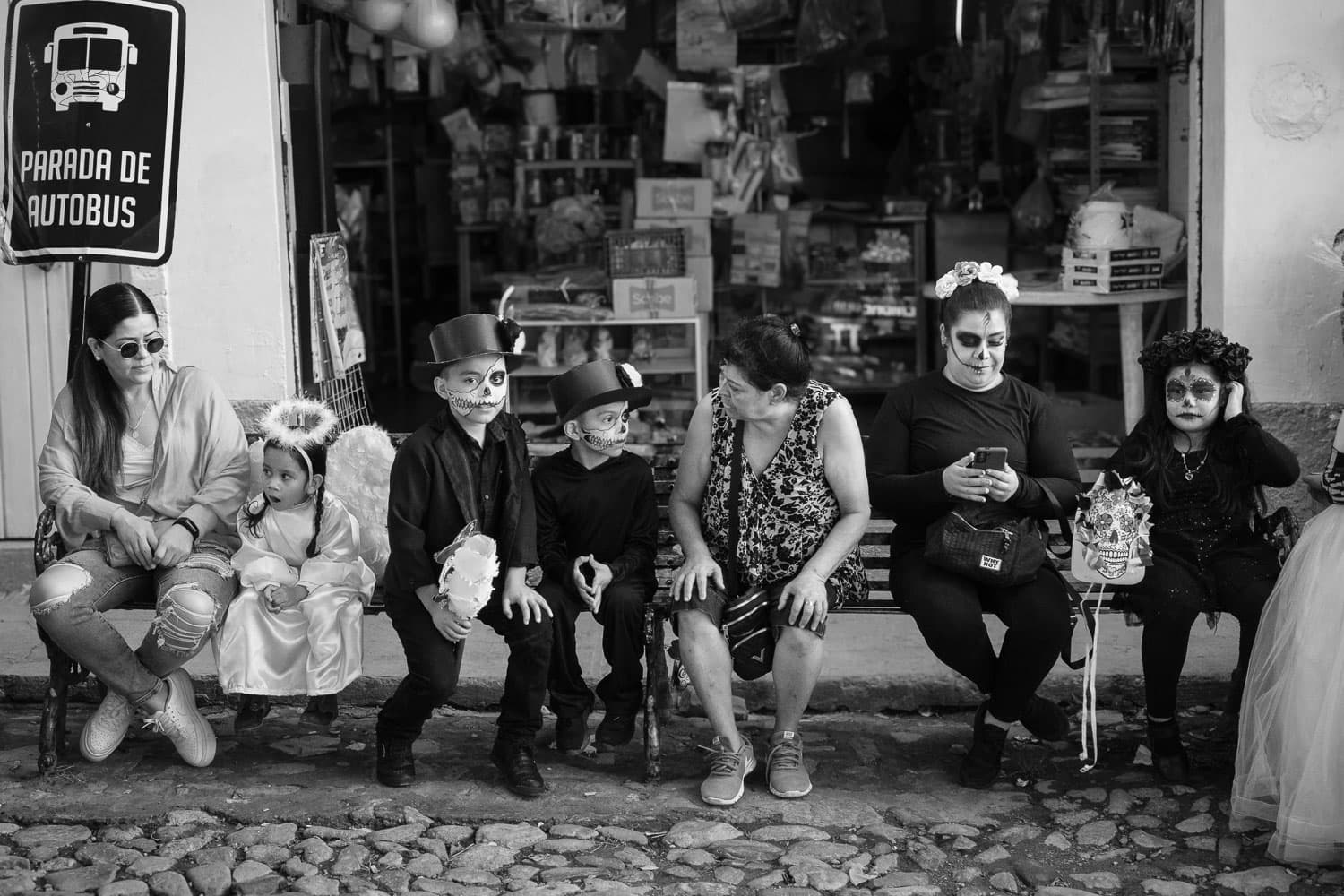
But for Mexicans, the Day of the Dead makes the past come alive: honoring family and friends who have transcended to the other side while preserving ancestral and cultural heritage. And like all holidays (especially in Mexico), it’s a chance to celebrate, not just to remember, so the tone is often festive instead of somber.
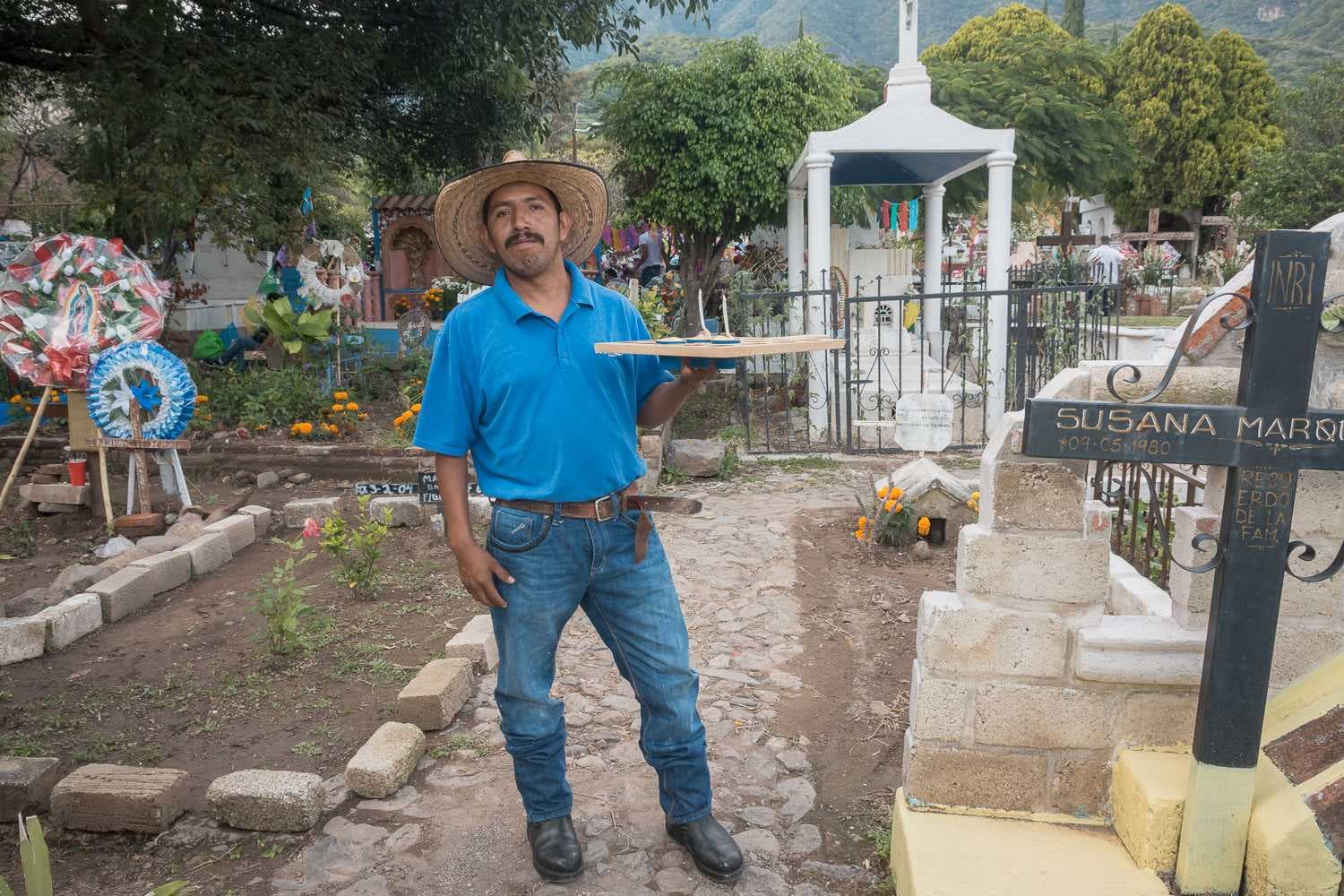
Days of the Dead at Lake Chapala
Despite the name, the Day of the Dead lasts longer than one day, often for two or more days and nights, depending on the region in Mexico. Most activities around Lake Chapala happen on the main day, November 2, with additional events on November 1.
The highlights in the area are the spectacular Festival Día de Muertos in Ixtlahuacán (November 1-3), plus the altars and events in Chapala and Ajijic. The other towns also hold celebrations in their central plazas and cemeteries, which you can check out from November 1 to 2.
If you cruise the neighborhoods on November 1-2 you’ll find altars here and there that people build in front of their homes. These are left out during the day and lit with candles after sundown. Sunset on November 2 is at 6:15 p.m.
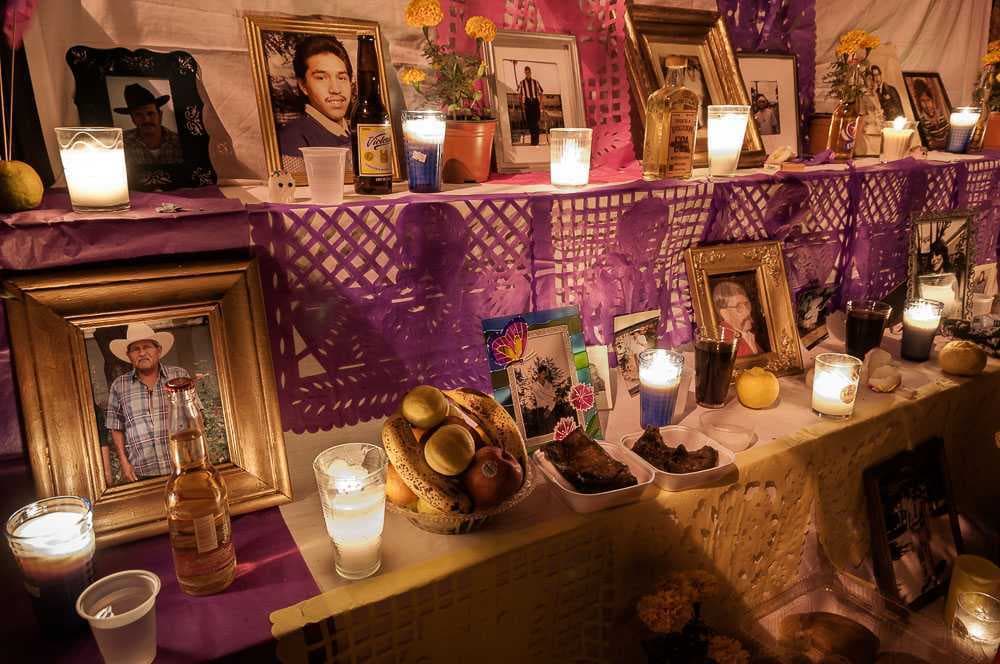
The graveyards in the area get busy at night, but don’t expect them to be filled until dawn with mourners and thousands of candles, as they famously do in Pátzcuaro. The Chapala graveyard usually closes its gates early, around 9 p.m., so you won’t be able to get in. The other graveyards should be open all night (Ajijic definitely will be). But by midnight in Ajijic, most visitors have abandoned the cemetery to the dead again.
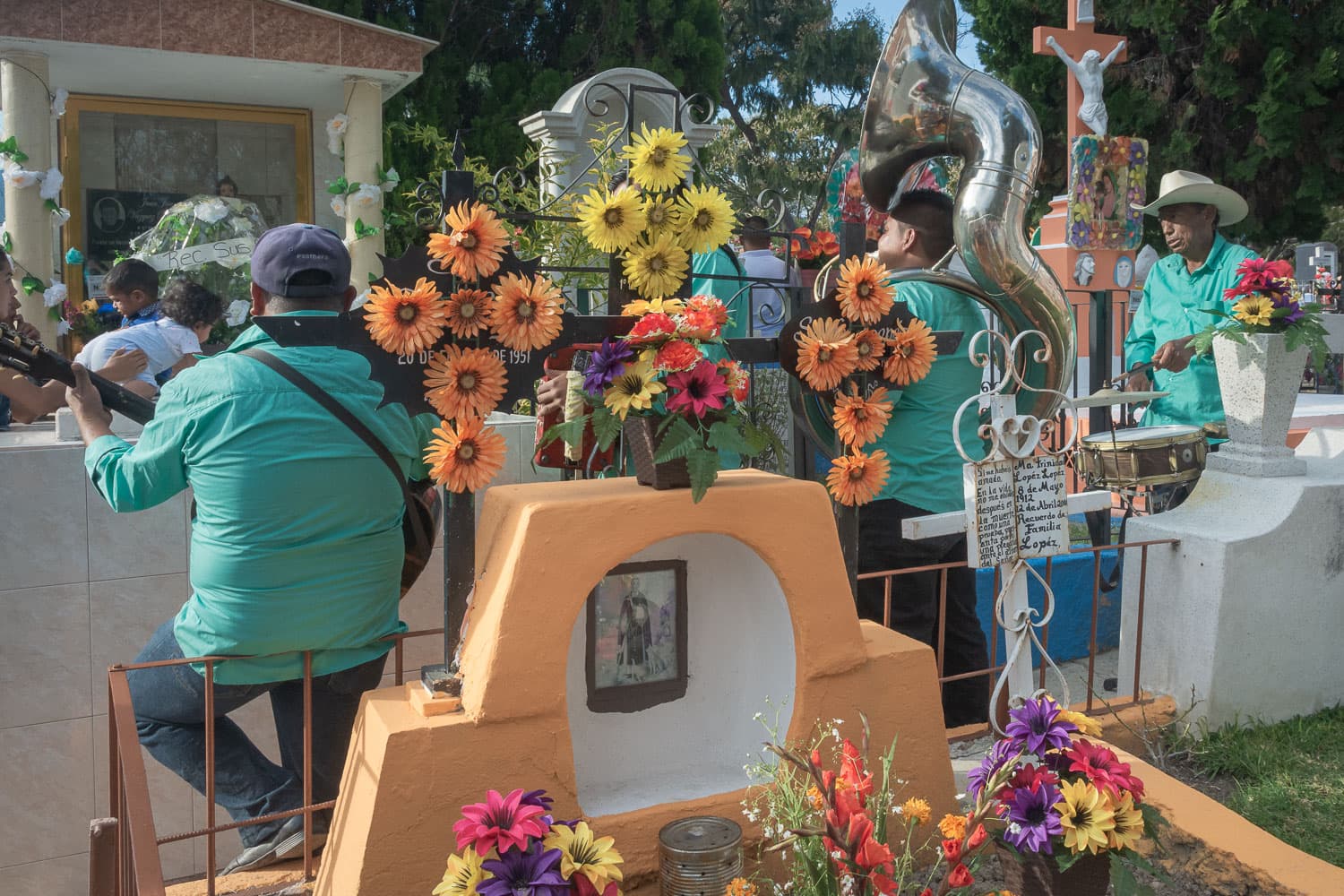
Altars & Offerings
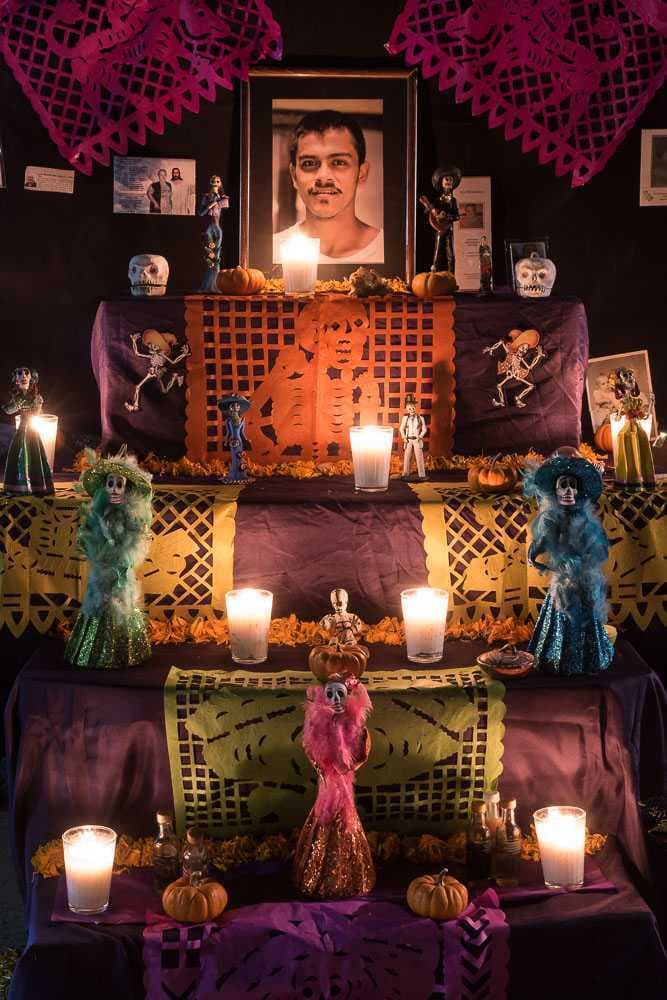
Creating an altar (ofrenda or altar) is at the heart of the Day of the Dead tradition. It’s the portal the dead need to return to the world of the living and spend the Night of the Dead on November 2 with their loved ones.
People dedicate significant time to creating a comfortable and respectful space for spirits to stay during their limited time back on Earth. You’ll see food and drinks that the deceased enjoyed left on the altar, as well as clothing or hats they used to wear, perhaps alongside a mirror for them to check their appearance. Other personal items may include musical instruments, soccer balls or toys.
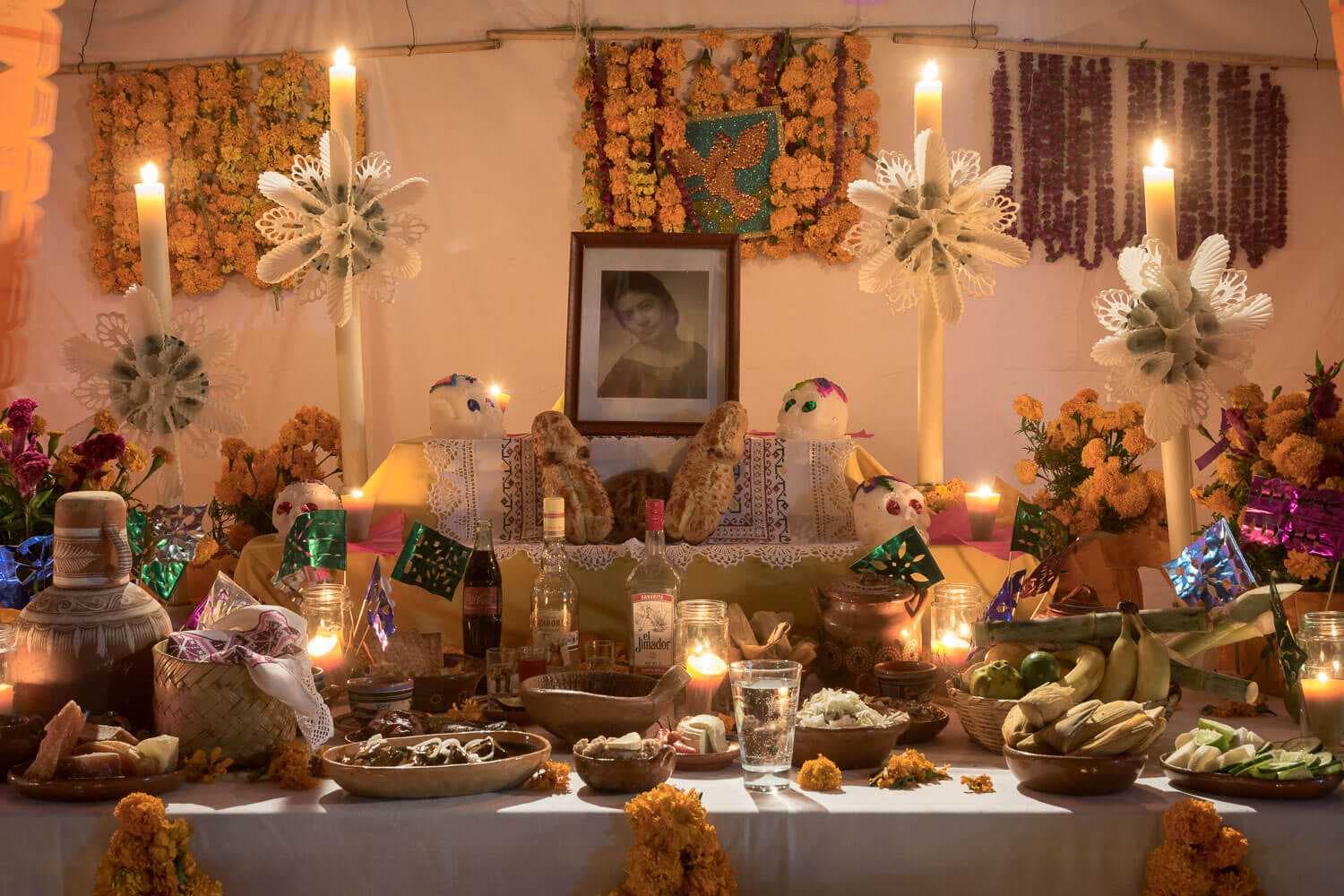
The meaning behind some objects, such as marigolds, candles, dried grains and copal incense, is more symbolic. Learn about the significance behind 25 objects found on altars in the local towns or watch this short video:
Maps of All the Graveyards
Ajijic Cemetery
Chapala Cemetery
San Antonio Tlayacapan Cemetery
Jocotepec Cemetery
San Juan Cosalá Cemetery
Ixtlahuacán de los Membrillos Cemetery
November 1
November 2 isn’t the only day with activities for the Day of the Dead. Here’s what’s going on November 1.
Day of the Little Angels
November 1 is called el Día de los Angelitos, the Day of the Little Angels, for remembering deceased children. Mostly, you’ll find families making ofrendas in the graveyards, preparing for the children’s return that night.
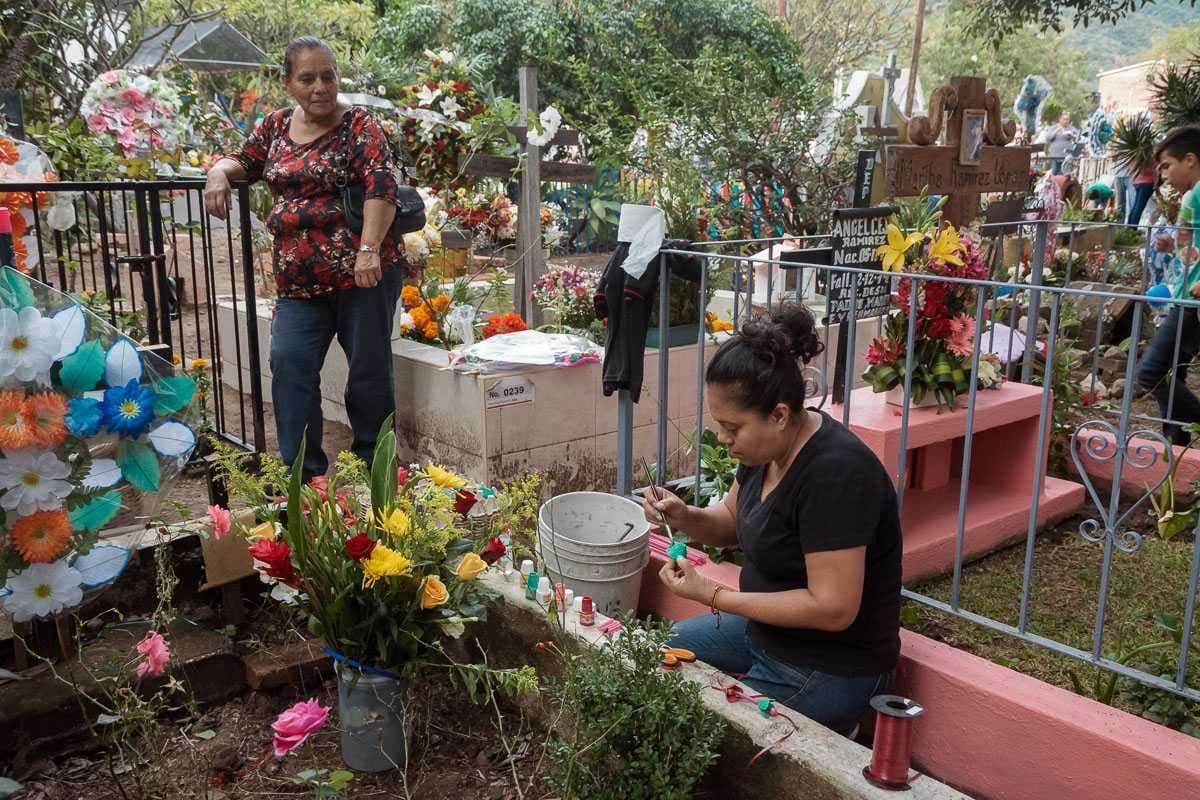
It’s celebrated on November 1 because it’s said the children run back to the world and so arrive a day before everyone else does. Moms and dads spend the day at the gravesite, cleaning up and making an altar, coming back year after year, even after the children would have been well into their adult lives.
Some families make altars at their homes and you might find them lit with candles that night, too.
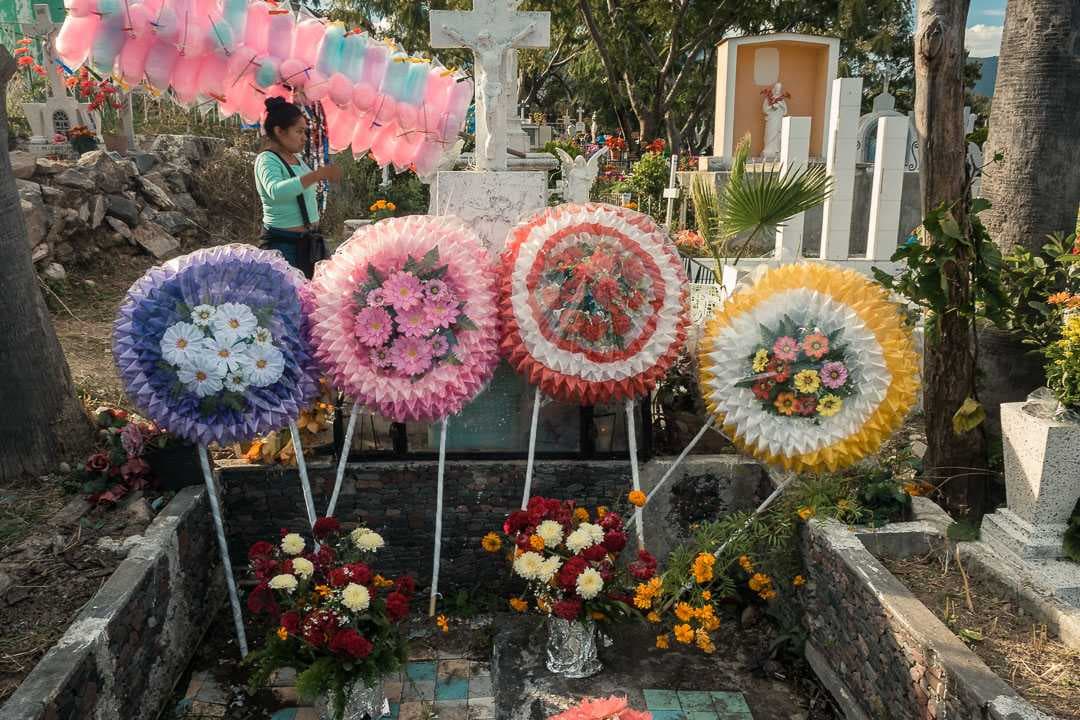
Graveyards on November 1
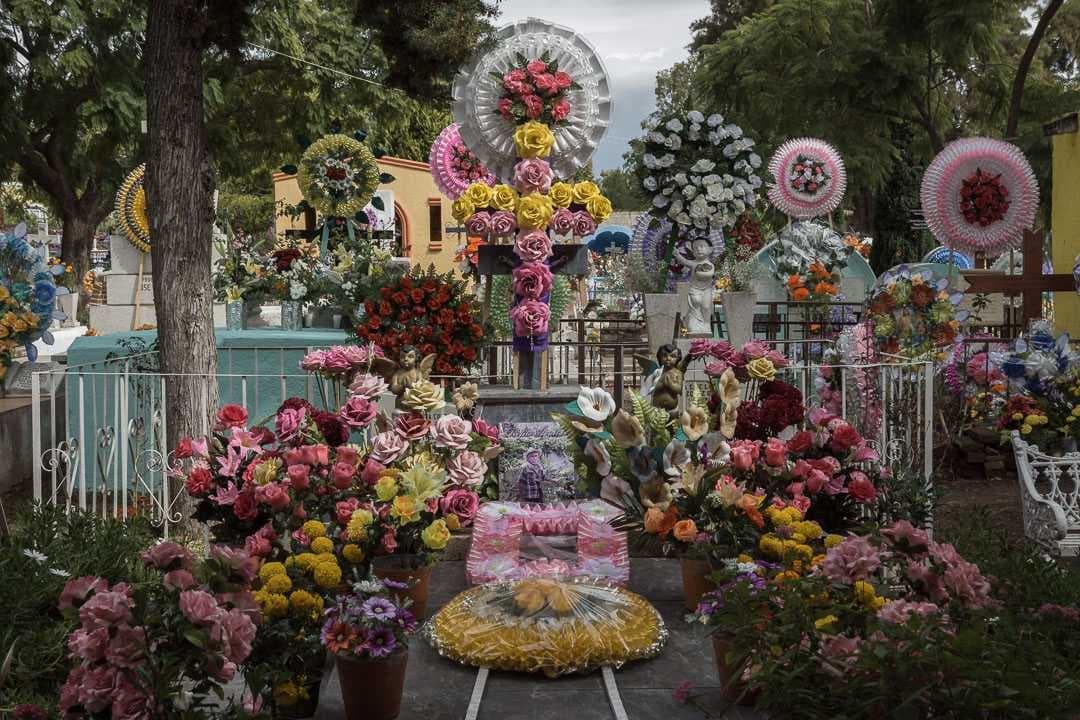
Cemeteries get a makeover and come alive with activity the day before the Day of the Dead as families arrive to clean the plots of their family’s graves. They come with new corona wreaths, fresh plants and decorations to adorn the site. Parents arrange fresh flowers and candles, their scents and sights inviting the spirits back for the holiday.
Ajijic Parade on November 1
Dozens of kids dressed as catrinas/catrines or angels will parade through town starting at 5 p.m. on November 1.
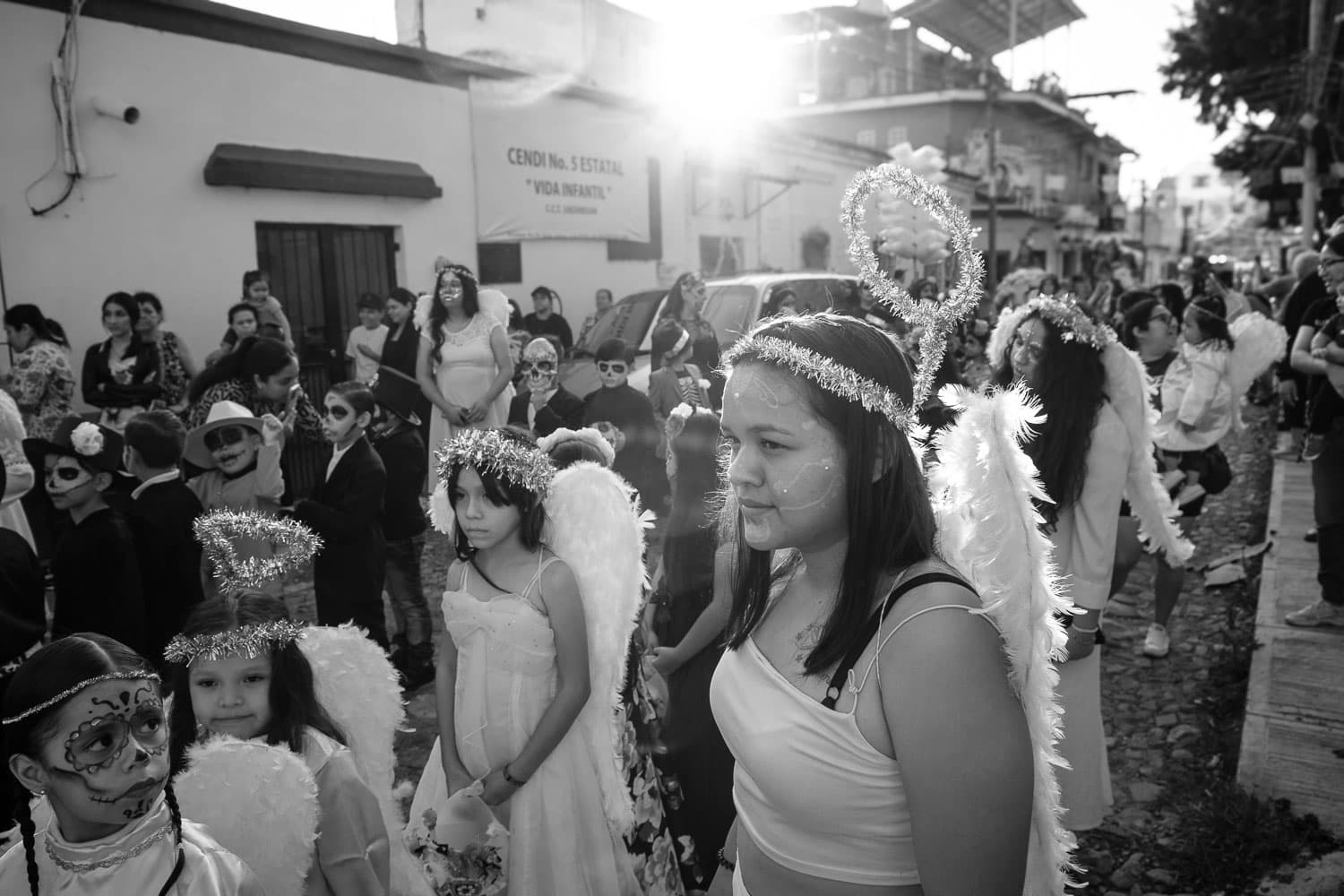
The parade starts at Seís Esquinas and ends at the plaza about 45 minutes later.
Ajijic Plaza
After the evening parade, stick around the plaza for ballet folklórico dance, a photography exhibition, music and food.
Skull Wall
Residents are invited to help light artist Efren González‘s skull wall at Flores Magón and Ocampo in west Ajijic will be lit at 8 p.m. (The other skull wall near the Ajijic plaza is lit at 8 p.m. on November 2.)
Festival Día de Muertos in Ixtlahuacán
Festival Location
Ixtlahuacán de los Membrillos probably has the best Day of the Dead celebration in the area. And it’s no wonder since almost half a million pesos in prizes help motivate hundreds of people to create their altars and catrinas.
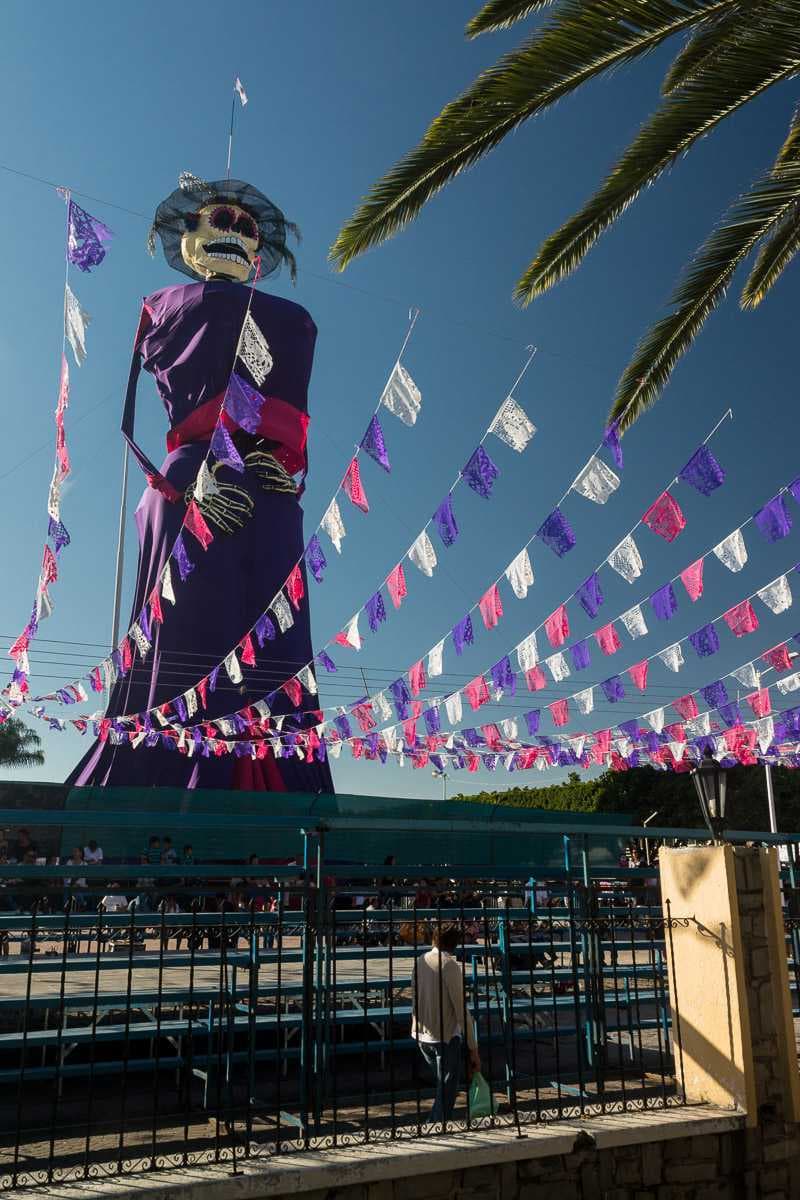
The festival centers around the plaza in Ixtlahuacán, with a display of altars that stretches for half a kilometer on both sides of the main avenue leading to the highway.
Festival Schedule
Occasionally, the festival lasts five days but will happen November 1-3 in 2024. The organizers usually release the schedule three to six weeks before the Day of the Dead. Check the municipality’s Facebook page for the full schedule and contest rules around mid-October.
The festival goes on all day and night, but the highlights you might want to check out are the contests for the altars, catrinas, and catrina brides. See below for more information about the contests each day.
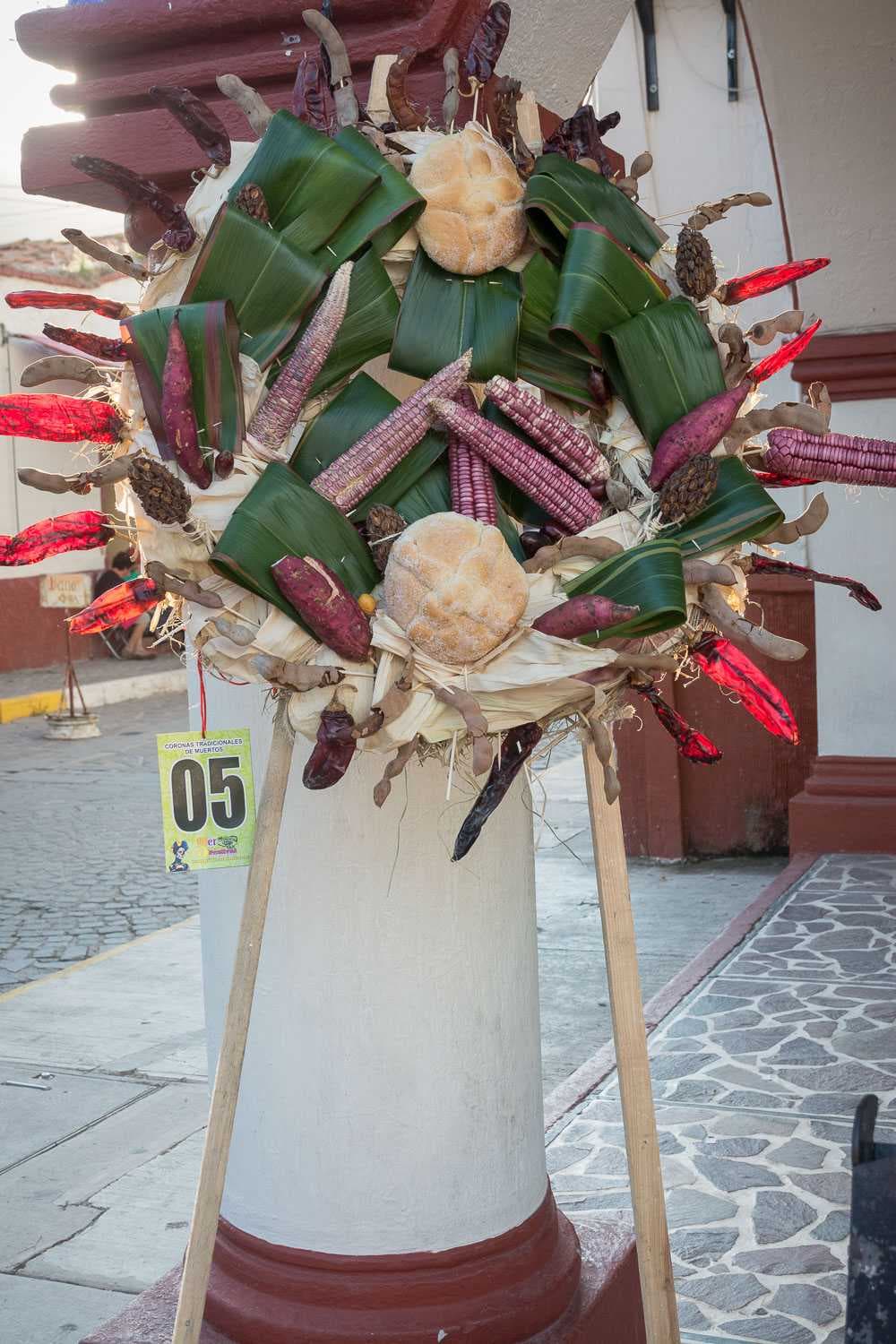
Corona Wreath Contest
On the first day of the festival, participants of the wreath contest deliver their entries, which are displayed in the plaza until the end of the festival.
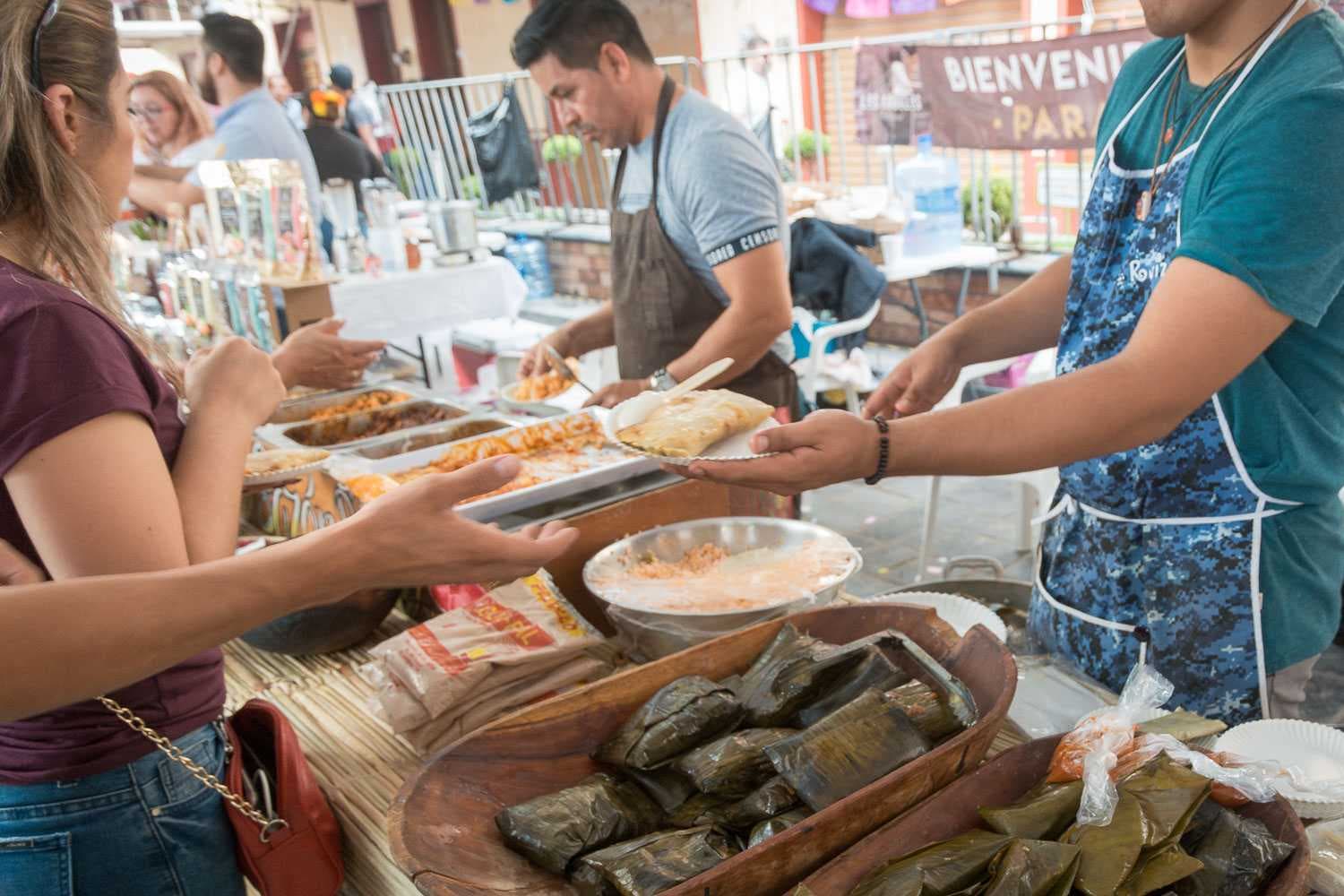
Food and Vendors
Evening Parade on November 1
Ixltahuacán’s Day of the Dead parade is usually on the festival’s first night, not necessarily on the Day of the Dead itself. In 2024, it will happen on November 1. Many folks dress as catrinas, skeletons and other figures, and some ride on floats through the town’s streets.
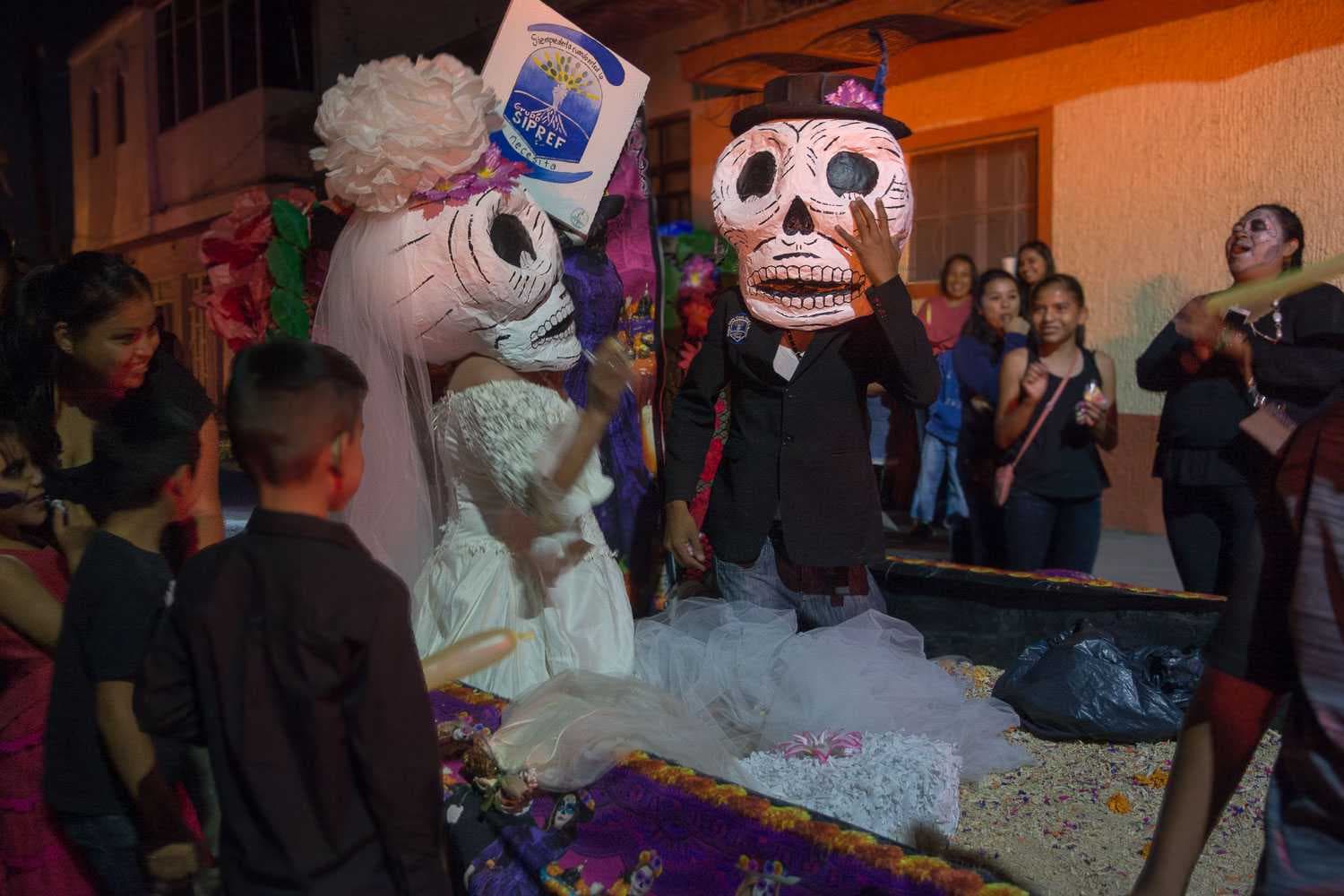
It starts at 5:30 p.m. at Obregón and Zaragoza Streets, ending on the other side of town at the start of the altar display about 45 minutes later.
Jocotepec
Graveyard performances take place at night in Jocotepec. Stay tuned to the municipality’s Facebook page for the schedule.
November 2
This is the big day when almost everything happens. Here’s what’s going on today, town by town.
Ixtlahuacán de los Membrillos
Today at the Festival Día de Muertos, there are three contests: sawdust carpets, altars, and the catrina bride contest. The rules require competitors to complete the carpets and altars by early afternoon. They’ll remain on display for you to check out until the festival’s last night. The catrina bride contest starts at 4:30 p.m. in the main plaza.
Sawdust Carpet Contest
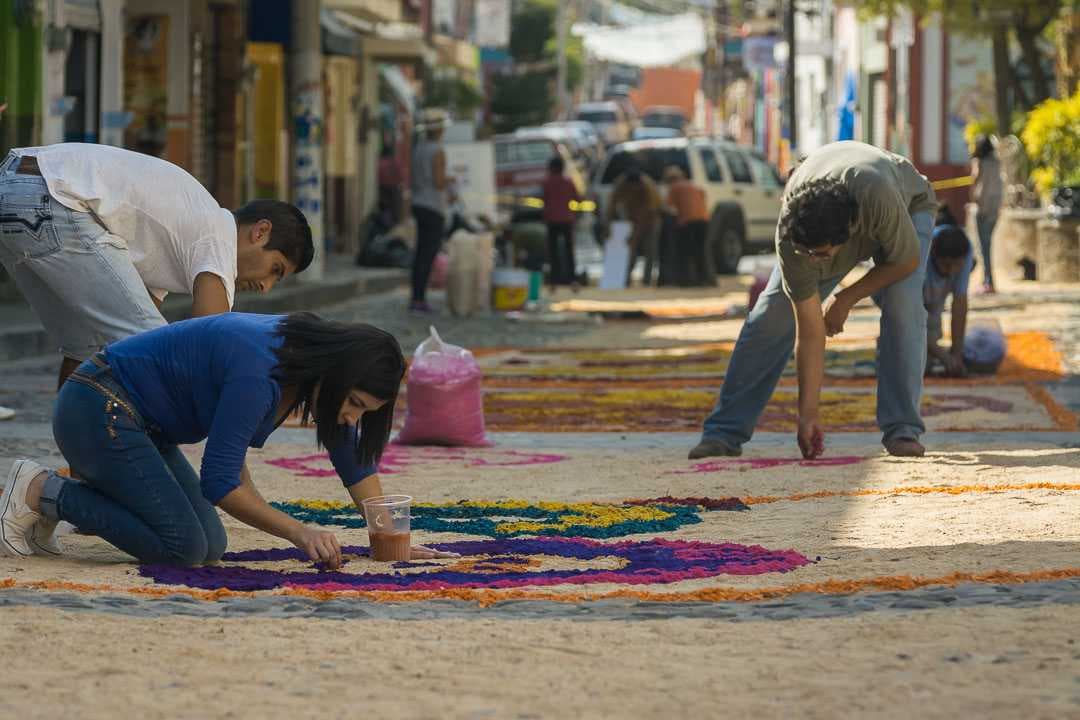
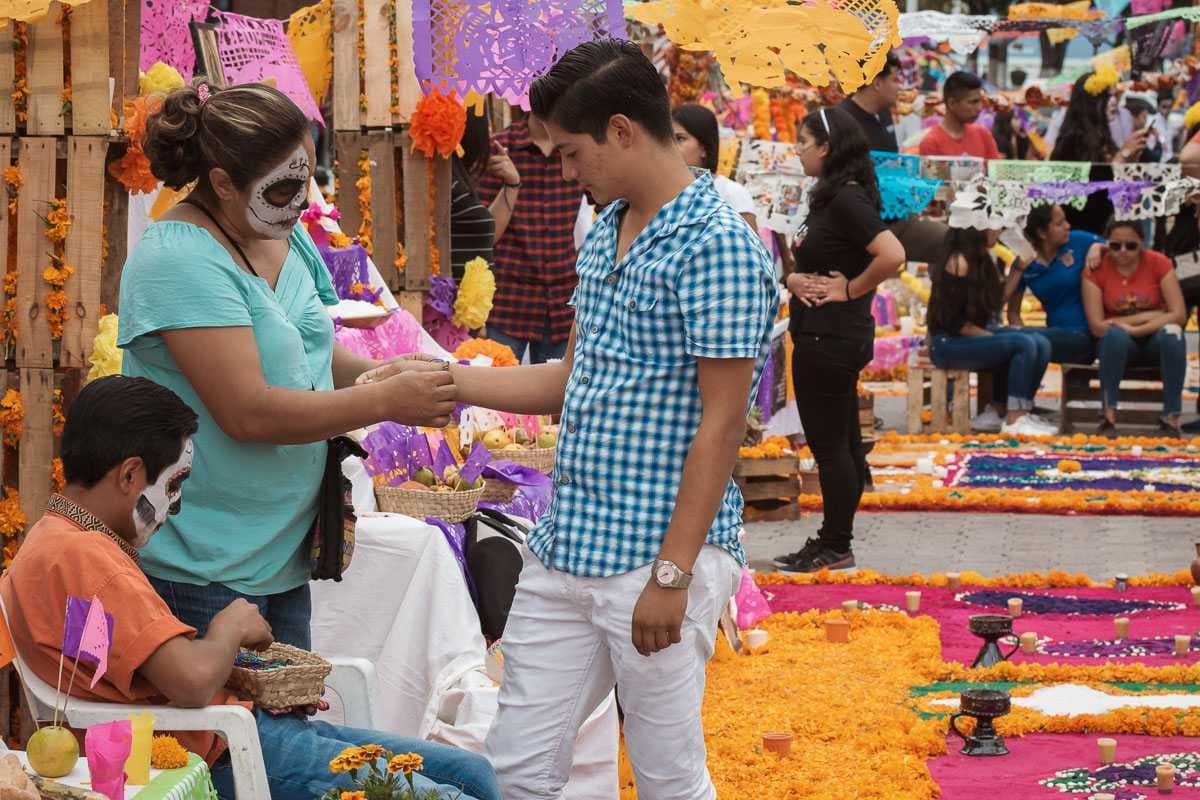
Decorative carpets made from dyed sawdust, grains, beans and the like are a popular way to celebrate holidays in Central Mexico.
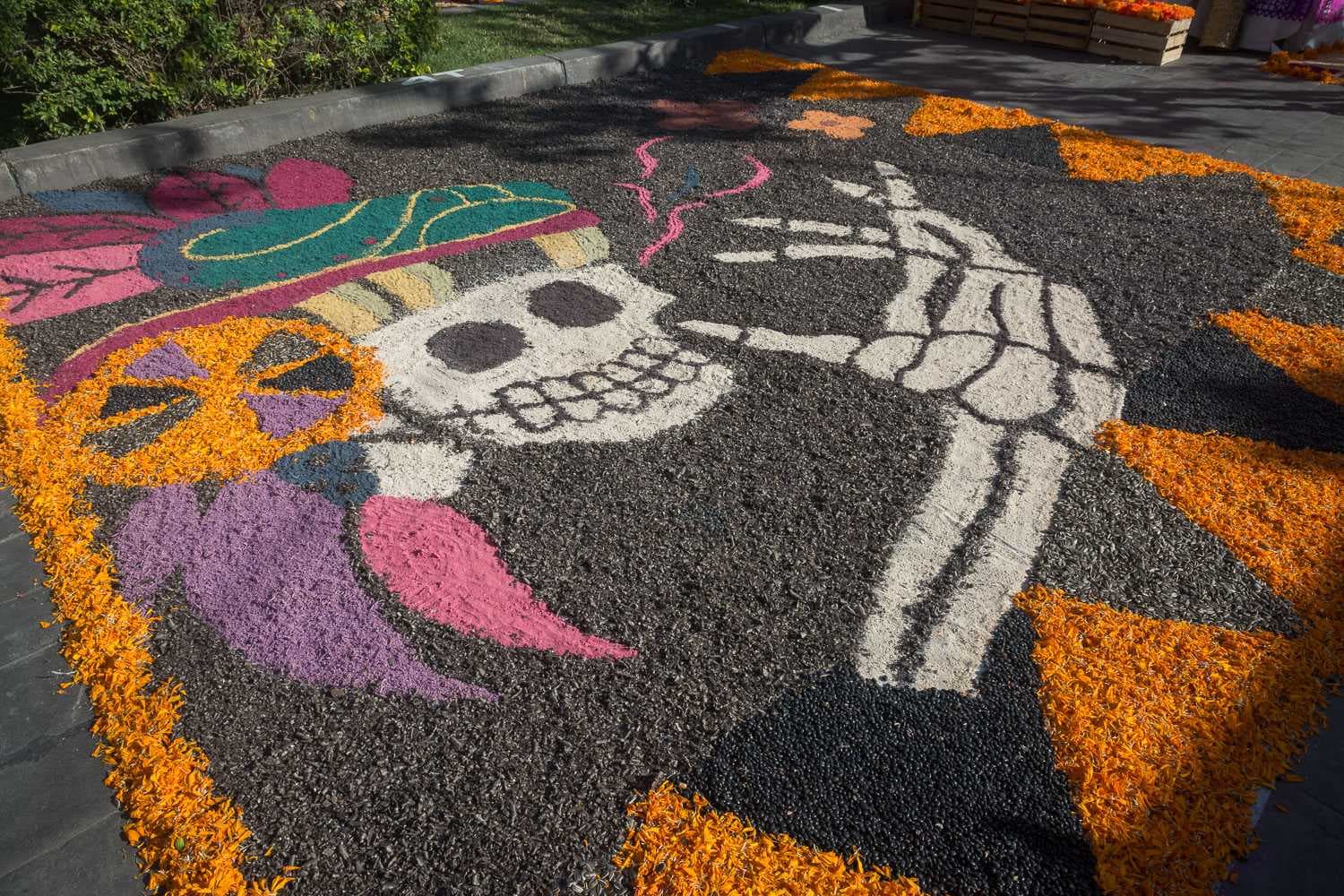
This contest starts at 6 a.m. on the festival’s main street, Santiago Avenue. Competitors must have everything ready for judging by 2 p.m., so plan to check out the carpets that afternoon. The carpets must remain in place until the awards ceremony at 9 p.m. on November 3.
Altar Contest
The festival has the largest and usually most impressive display of altars in the region. During the festival, organizers build around 100 or more altars on Santiago Avenue, from the highway to the plaza. If you can only visit one place today, go here, especially after it’s lit with candles after dark on November 2.
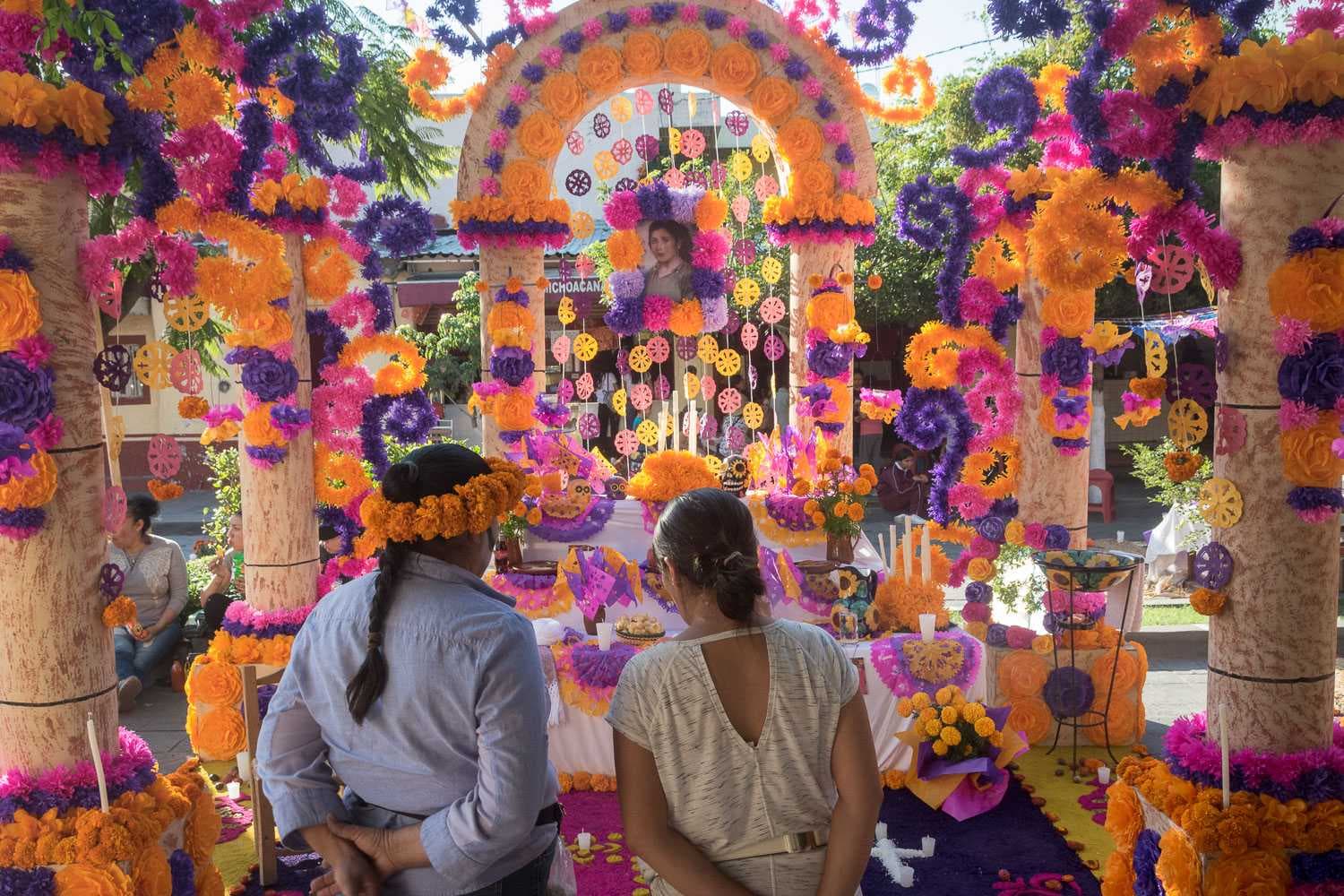
Teams start the altars at 6 a.m. on November 2 and must finish by 2 p.m. The altars will remain in place until 9 p.m. on November 3.
Catrina Bride Contest
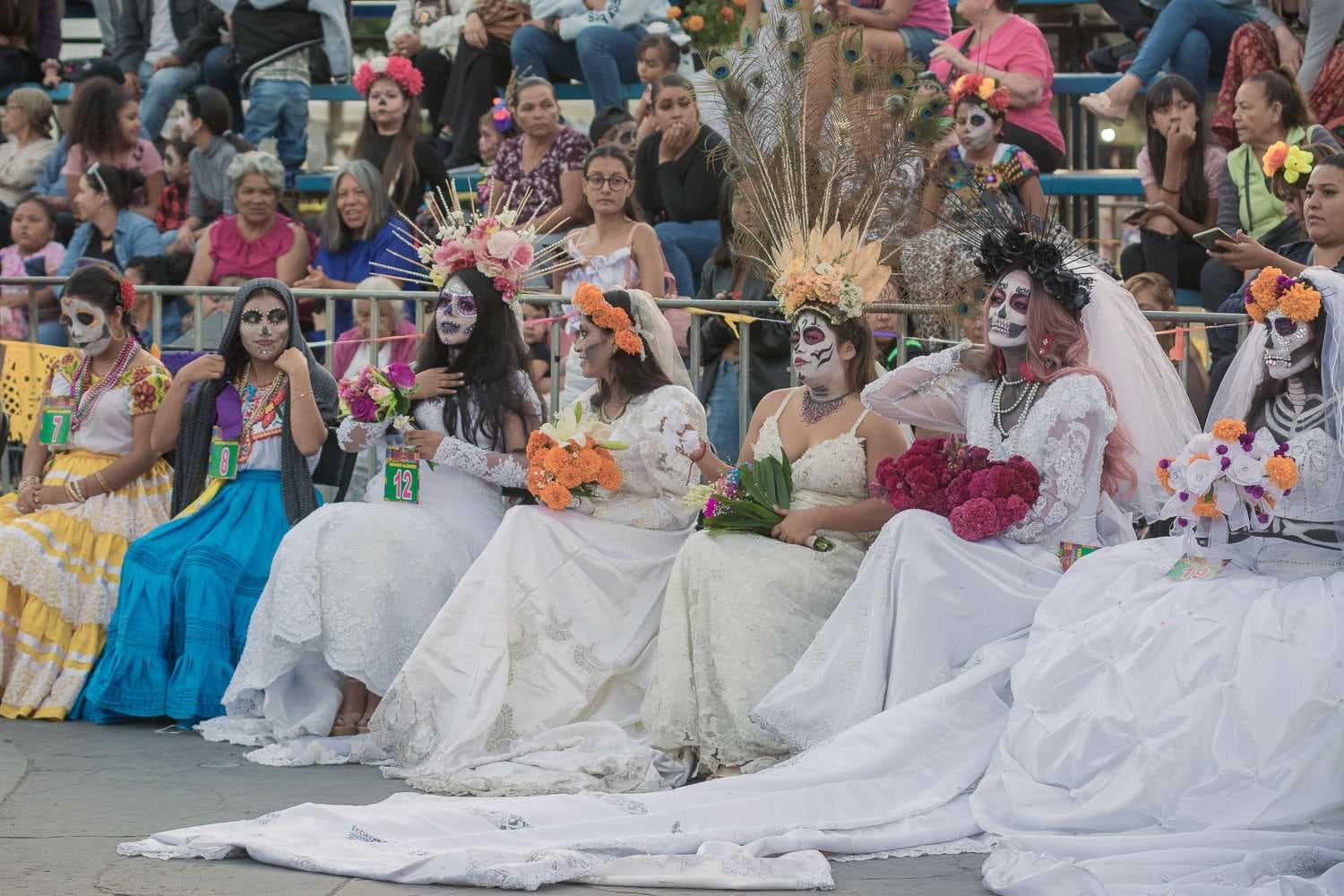
The festival features two catrina contests. Today’s contest at 4 p.m. in Ixtlahuacán’s central plaza is exclusively for catrinas dressed as brides, with dozens competing for first through third place.
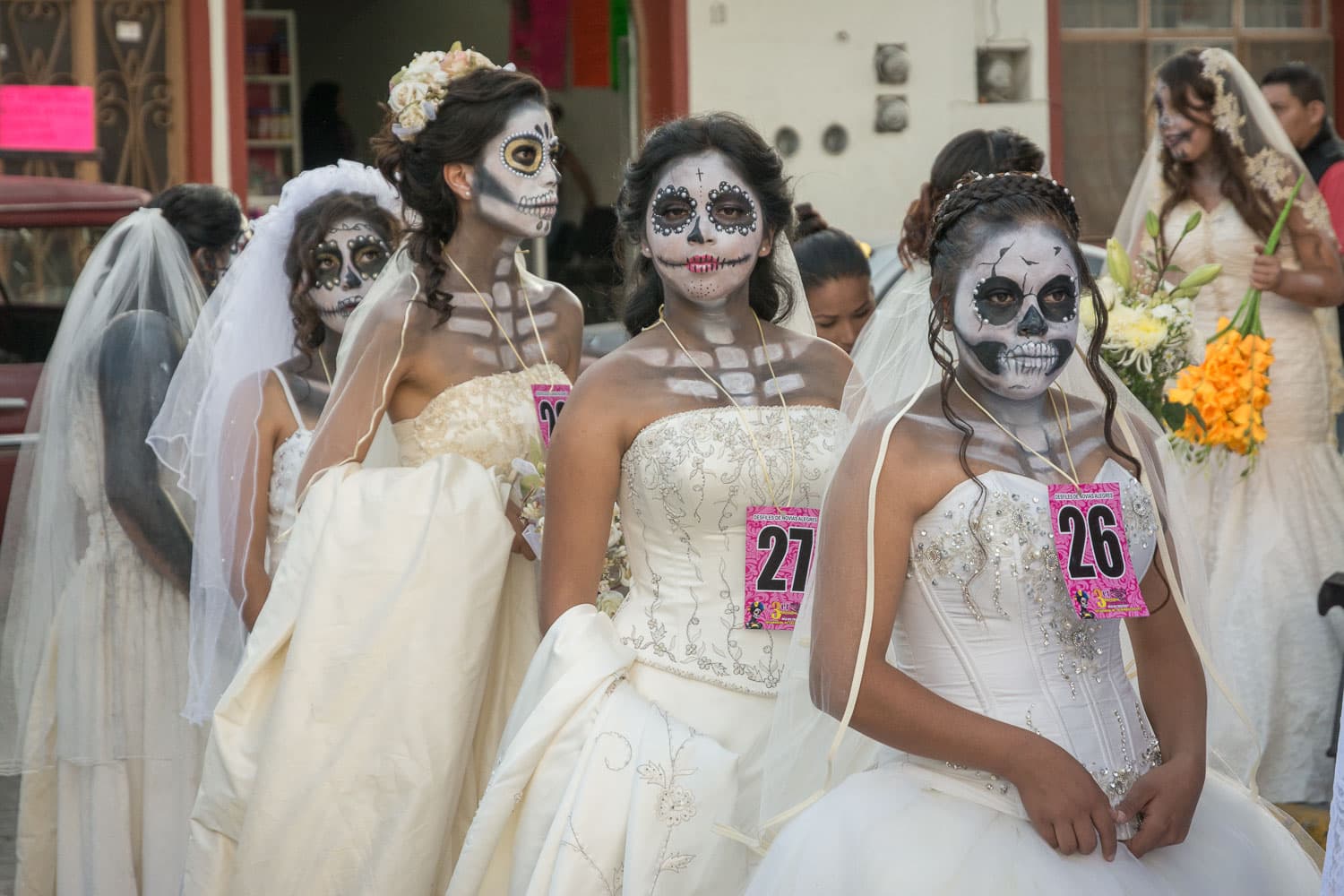
Contestants must register by 4 p.m., but judging will occur about 90 minutes later in the bandstand area next to the plaza. You will find many photo opportunities as catrinas wait for the judging to begin.
Ajijic
Ajijic Plaza and Malecón
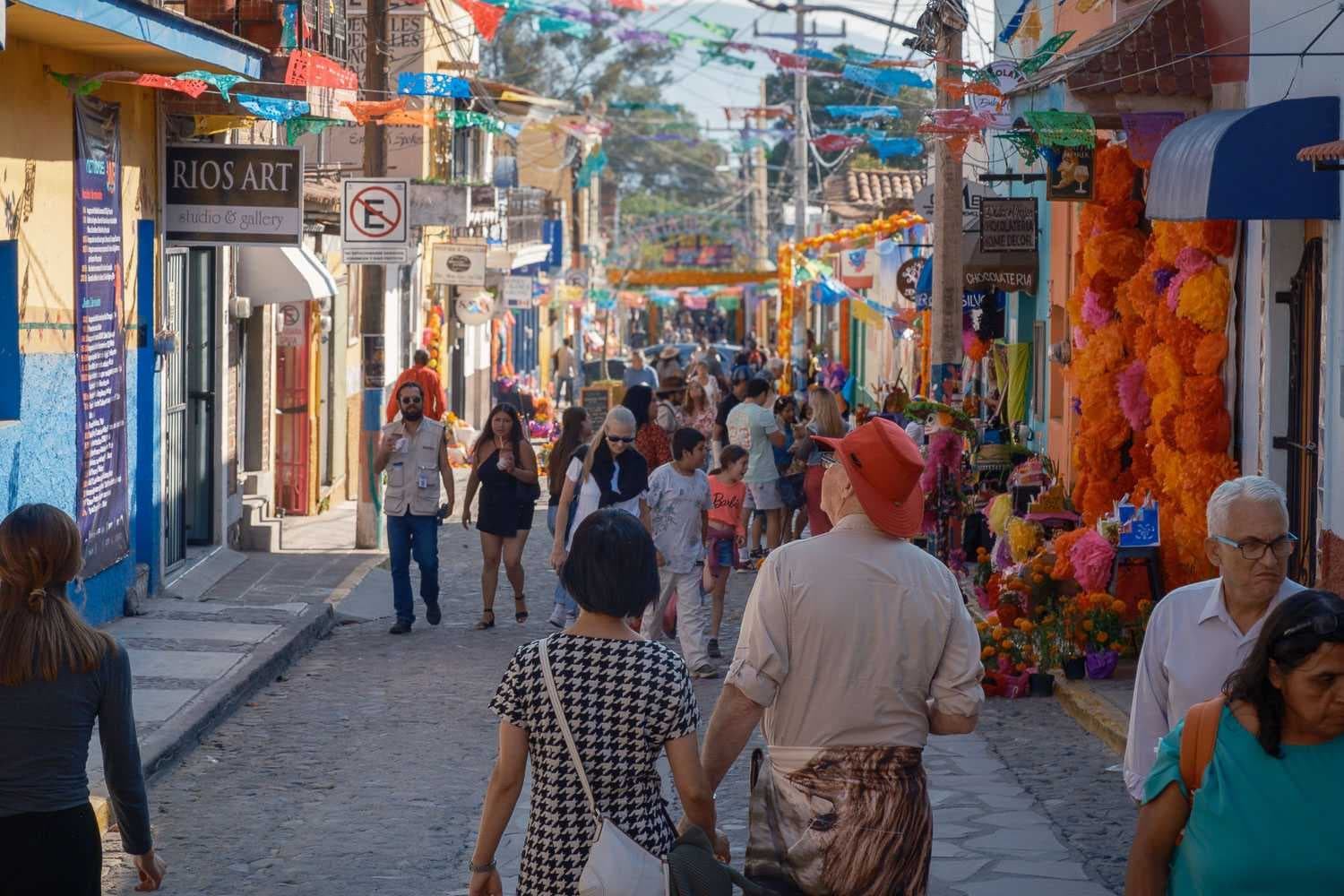
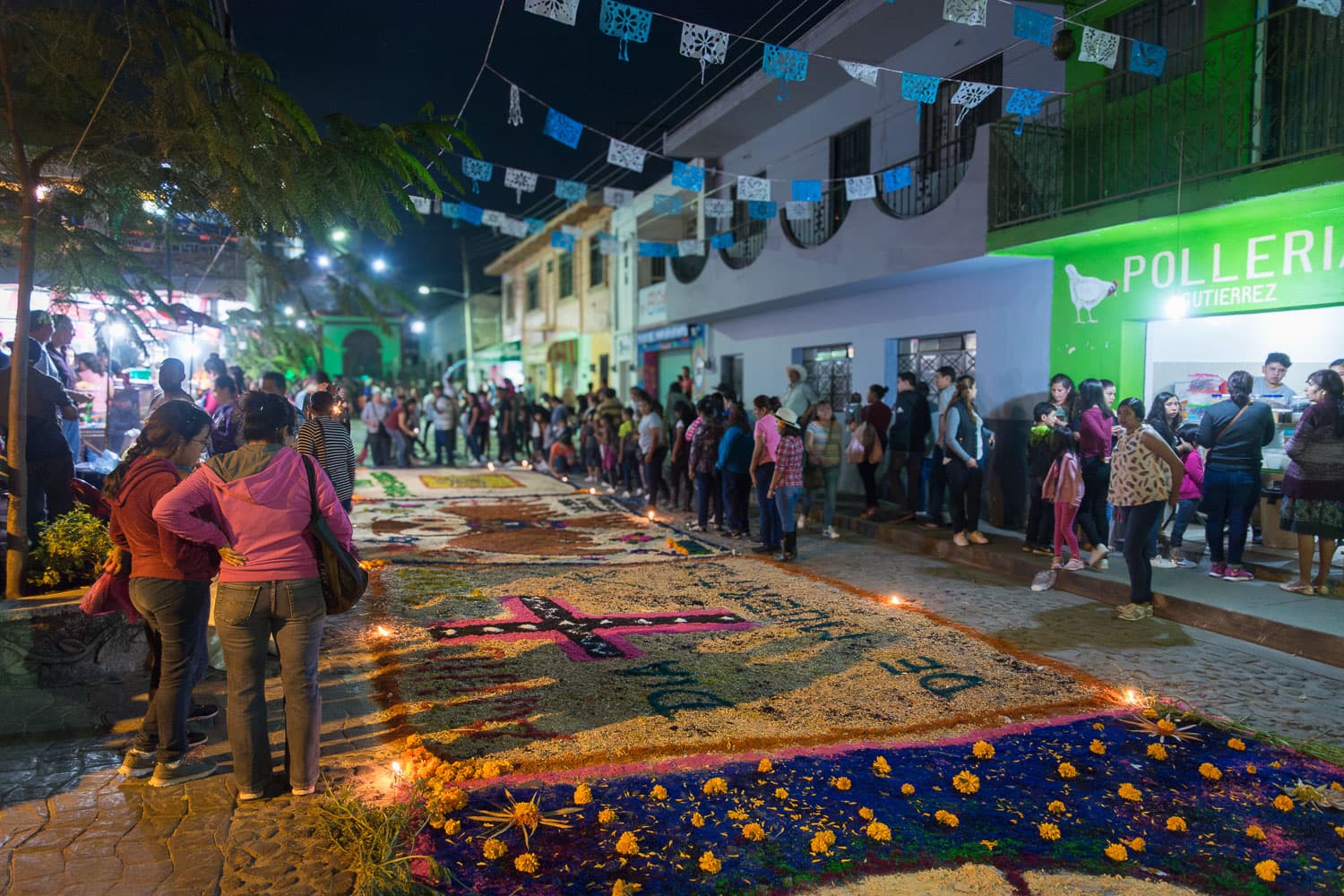
The day’s events will begin at 2 p.m. in the plaza and along Colón/Morelos Street, which will be closed to vehicles and transformed into a pedestrian zone. In the morning, participants will create carpets using dyed sawdust and set up altars and other decorations.
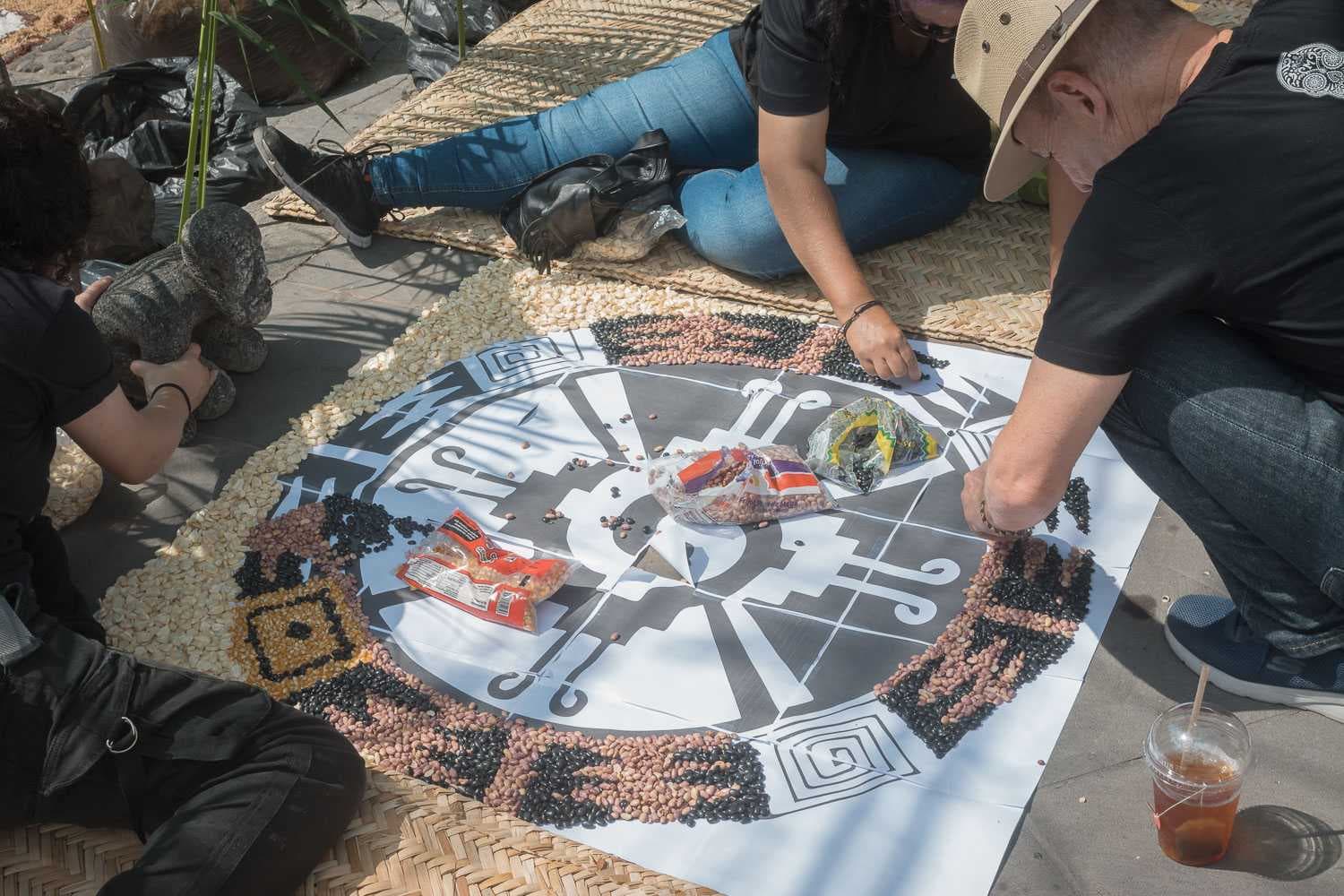
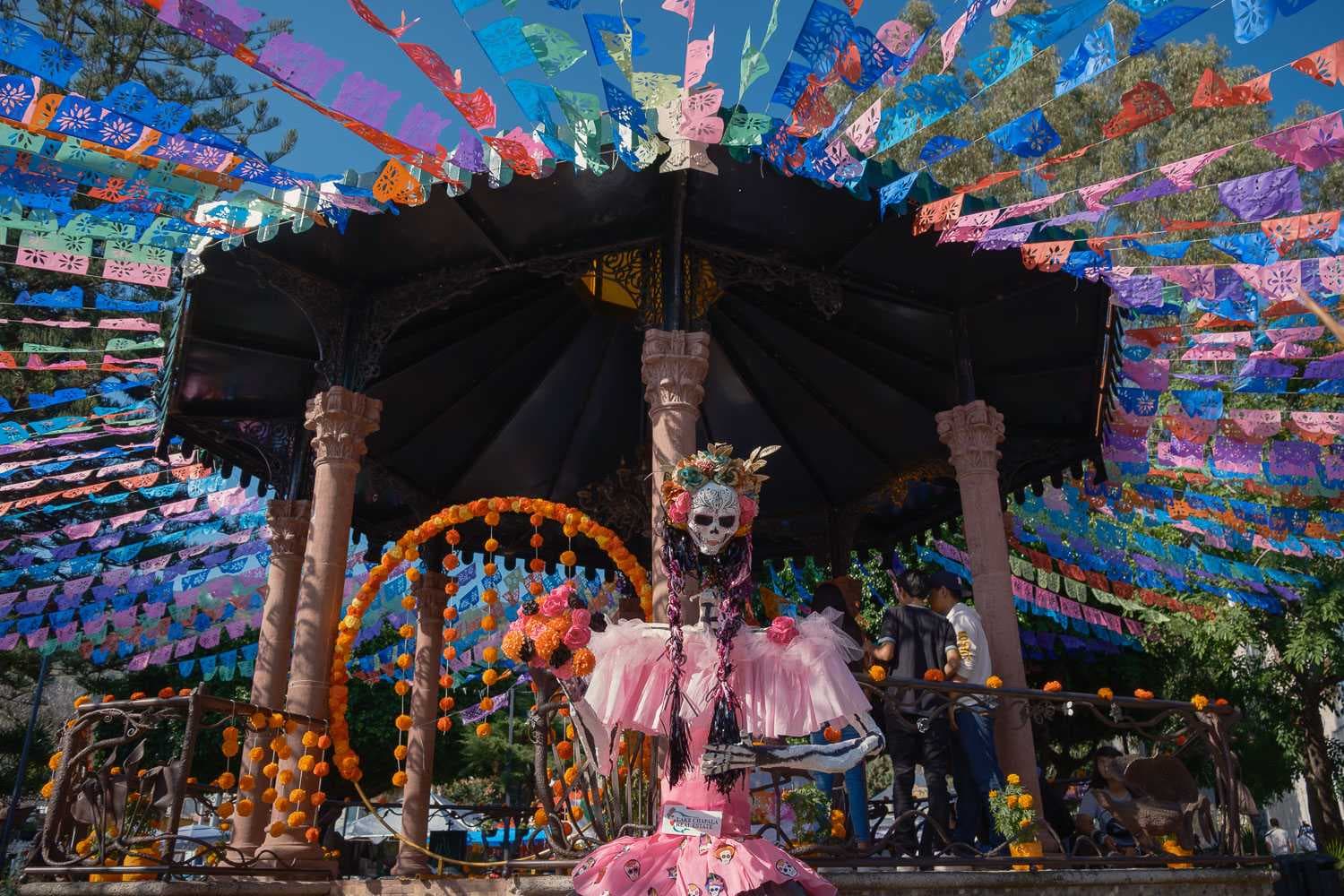
Businesses, residents and people from all over town will have the displays set up by mid-afternoon, making it a good time to see everything before it gets dark. However, after dark is also an excellent time to visit, as all the altars are illuminated by candles.
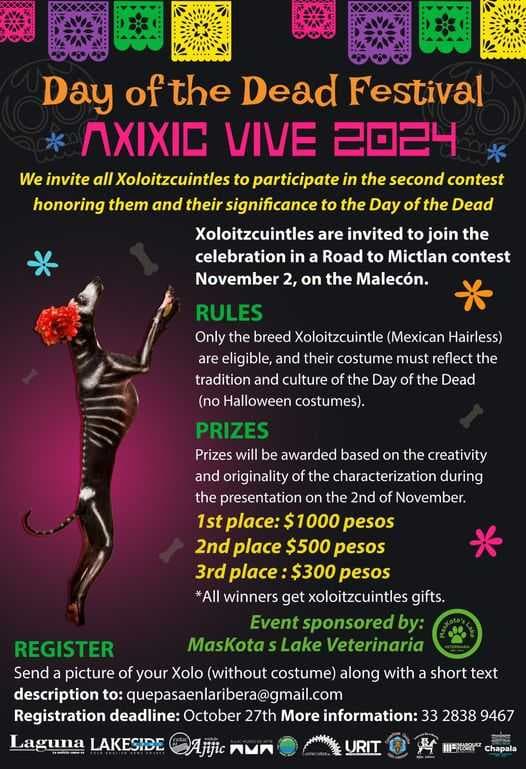
Xolo Contest
Mexican hairless dogs and their owners will gather on the Ajijic malecón around 3 p.m. for a contest.

Altars on Aquiles Serdan Street
For the first time, residents of Ajijic are planning to create an altar display on Aquiles Serdán Street for the night of November 2. The impressiveness of this event will depend on how many people commit to building altars. This could lead to a beautiful display and the potential birth of a new tradition in Ajijic, or it could be forgotten next year like other attempts to start new traditions that have come and gone.
Nighttime Parade On November 2
Ajijic’s Day of the Dead parade begins at 5:30 p.m. on November 2 outside the cemetery, heading to the plaza and finishing at the malecón at 6:30. Expect around 100 catrinas and catrines in elegant attire and skeletal face paint.
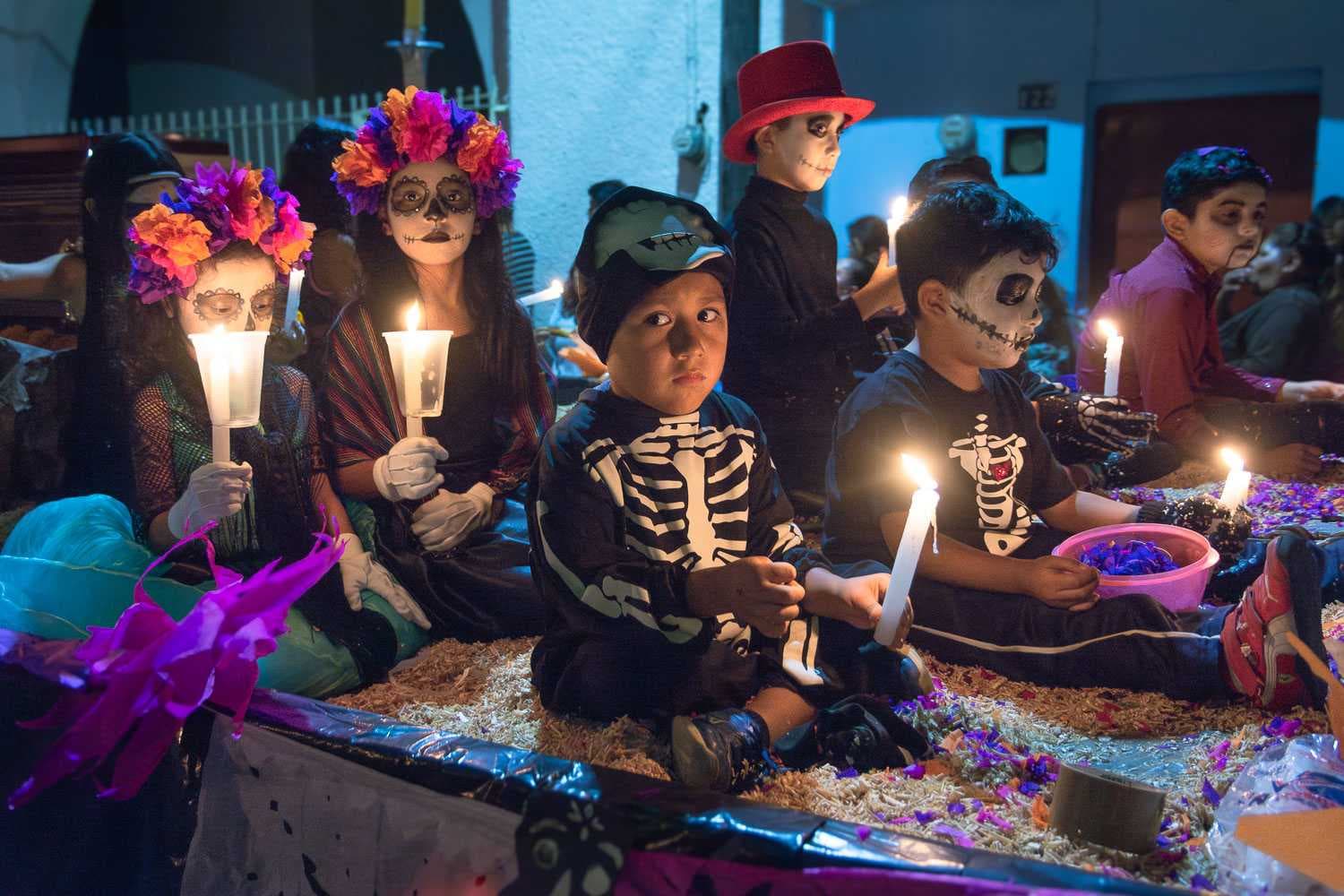
Want to be part of the celebration? Go to one of the many salons painting faces on November 2 and get yours done. Then slip on a costume and feel free to join the parade — everyone is invited. If you need any inspiration, check out these examples of catrinas. Just remember, it’s the Day of the Dead, so there are no Halloween masks or themes. Don’t forget your candle!
(Avoid parking on this route before the parade.)
Terracotta Skull Wall
After the parade, head to the street outside of San Andrés Church for the lighting of Efren González‘s terracotta skull wall at 8 p.m.

This tradition began a little under ten years ago after Efren fired hundreds of skulls and fixed them to the outside of the elementary school up the street from his home and gallery. Town members provided the names of family, friends and loved ones to inscribe on each skull.
Chapala
Altar Display
Students from the local prep school spend November 2 making altars on the main street in Chapala. Each year has a different theme, such as revolutionaries, so you’ll find altars for famous people worldwide, not just local community members.
The students start taking down the altars antes de las 10 p.m., so get there early. Many people visit, so expect it to be pretty packed after dark.
Cinco de Mayo Street
For the past couple of decades, residents living on Cinco de Mayo Street have coordinated to set up altars in front of their houses. Momentum has been lost in recent years, but some residents are still trying to maintain the tradition.
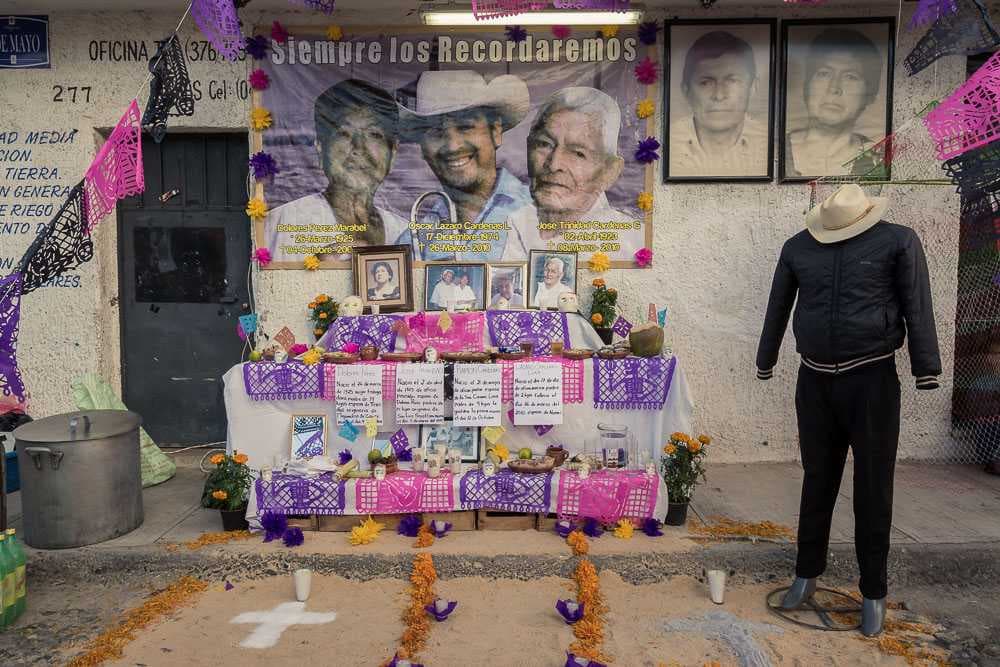
Head to Cinco de Mayo Street and you’ll find altars on the three blocks between Lopez Cotilla and Miguel Martínez Streets.
San Antonio Tlayacapan
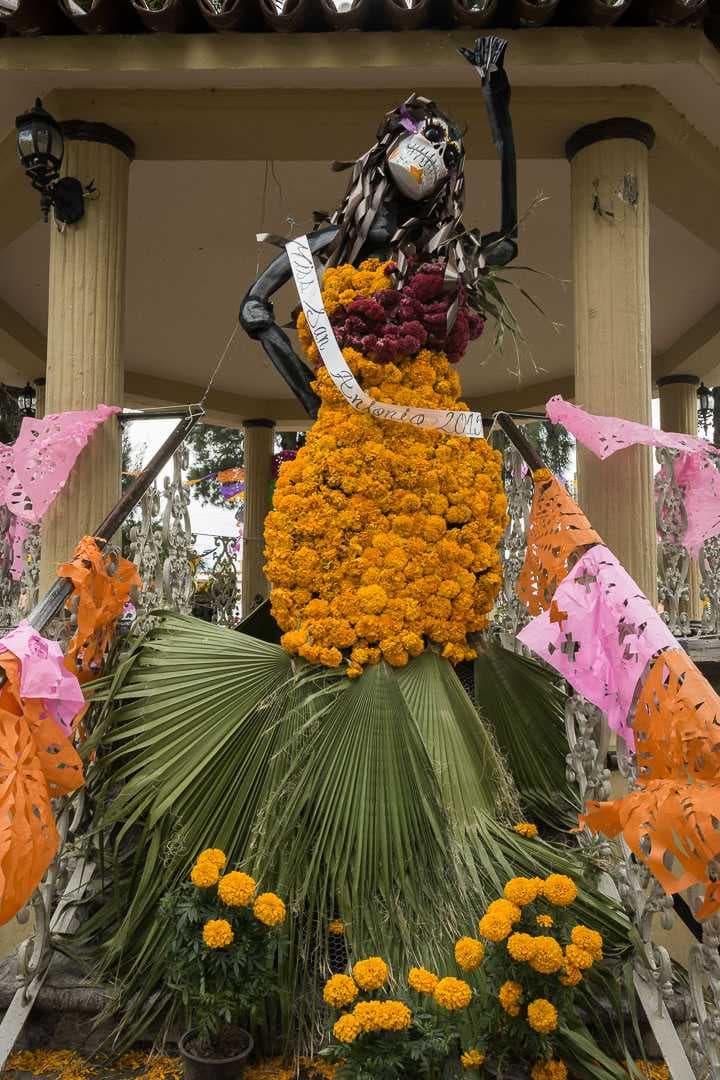
Visit the plaza or graveyard for the Day of the Dead sights in San Antonio. The school Instituto Loyola de Chapala, across the street from the cemetery, also has a display of altars you can check out.
November 3
Ixtlahuacán de Los Membrillos
Today is the final day of the Festival Día de Muertos in Ixtlahuacán de los Membrillos. You still have a chance to see the altars on display and possibly lit up after dark for a few hours before everything comes down at 9 p.m.
The awards ceremony, where over 400,000 pesos will be given to the festival’s contest winners, takes place at 9 p.m. in the main plaza.
Catrina Contest
The festival’s second catrina contest starts at 4 p.m. in Ixtlahuacan’s central plaza, where around 100 people compete for the best catrina in multiple categories. The catrinas arrive at 4 p.m. but do a lot of waiting for the judging to start later, usually around 5:30 p.m. In the meantime, it’s an excellent chance to take some photos.
Guadalajara
Feria del Cartón
Hundreds of vendors sell Day of the Dead-related merchandise at the Feria del Cartón, especially folk art made from painted cardboard (cartón). Many people have been going here for 75 years to buy items to put on their altars, like papel picado, catrinas, sugar skulls, pan de muertos, candy and more.
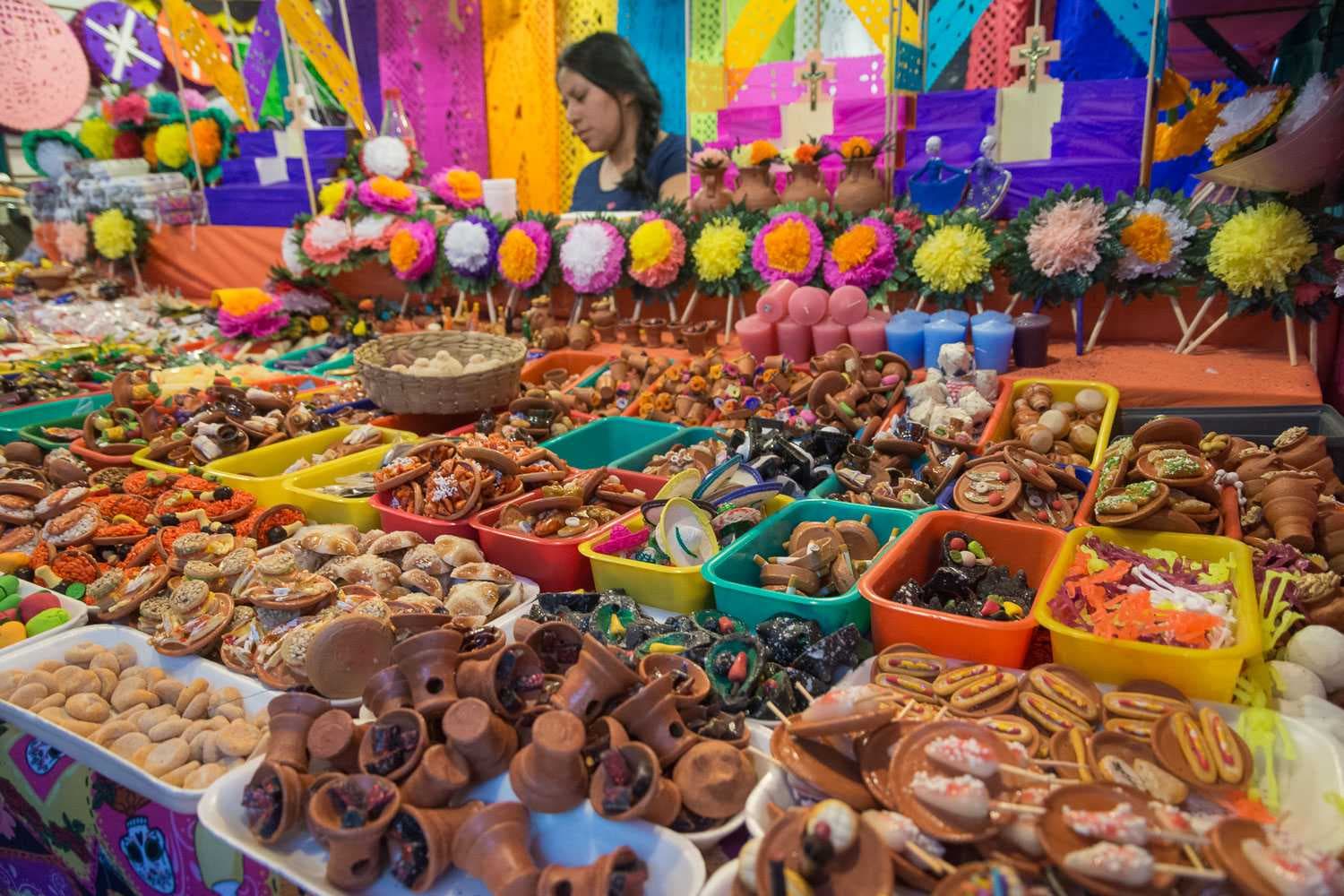
The event is held at Parque Morelos in Guadalajara, usually from October 15 through November 7, 10 a.m. to 10 p.m. daily.
Day of the Dead Parade in Guadajara
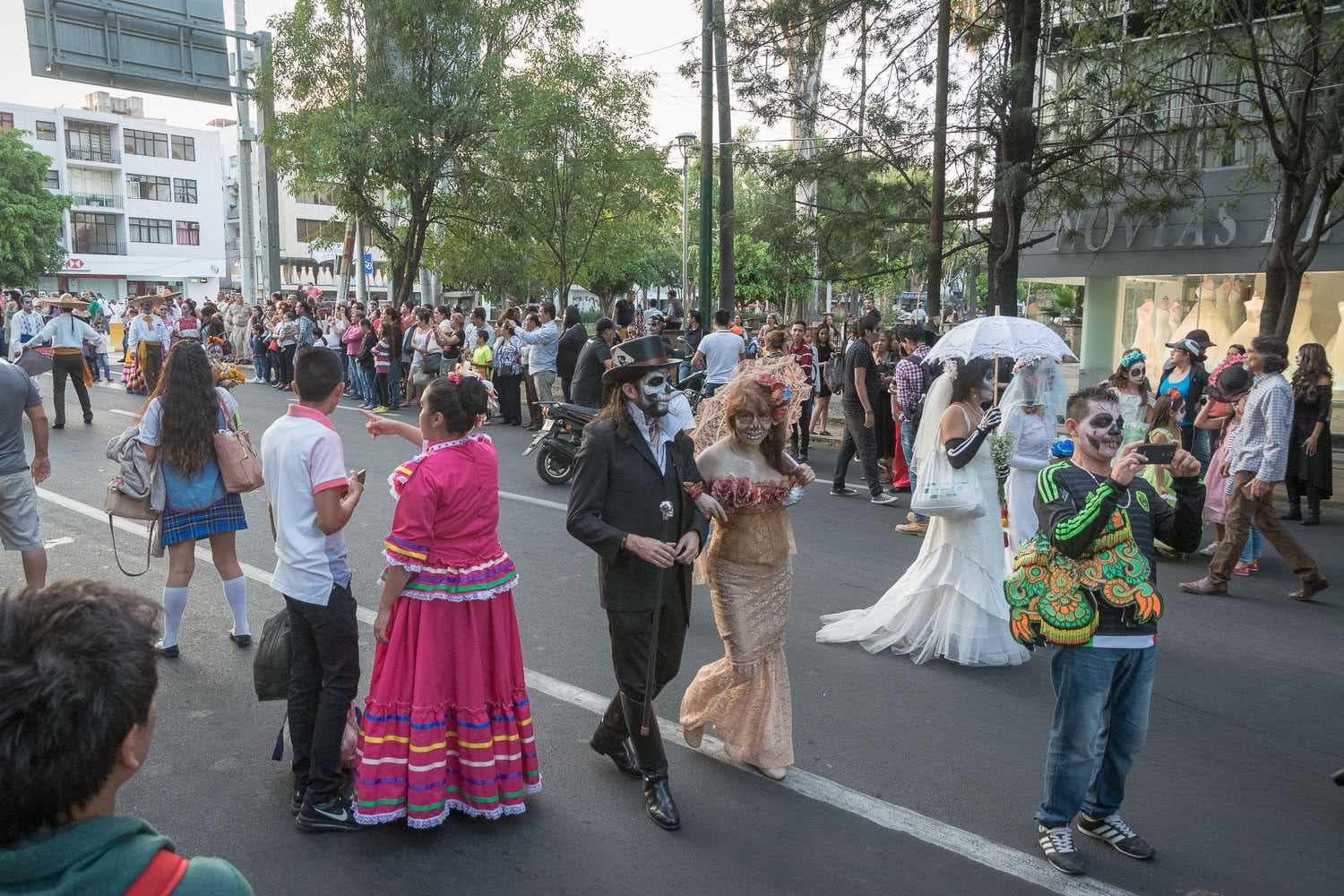
Guadalajara’s 2024 Day of the Dead parade starts at 4 p.m. on November 2 at Parque La Penal, ending three hours later near the Guadalajara Cathedral.
Last updated: 2026-04-05
You might enjoy

Promotion