



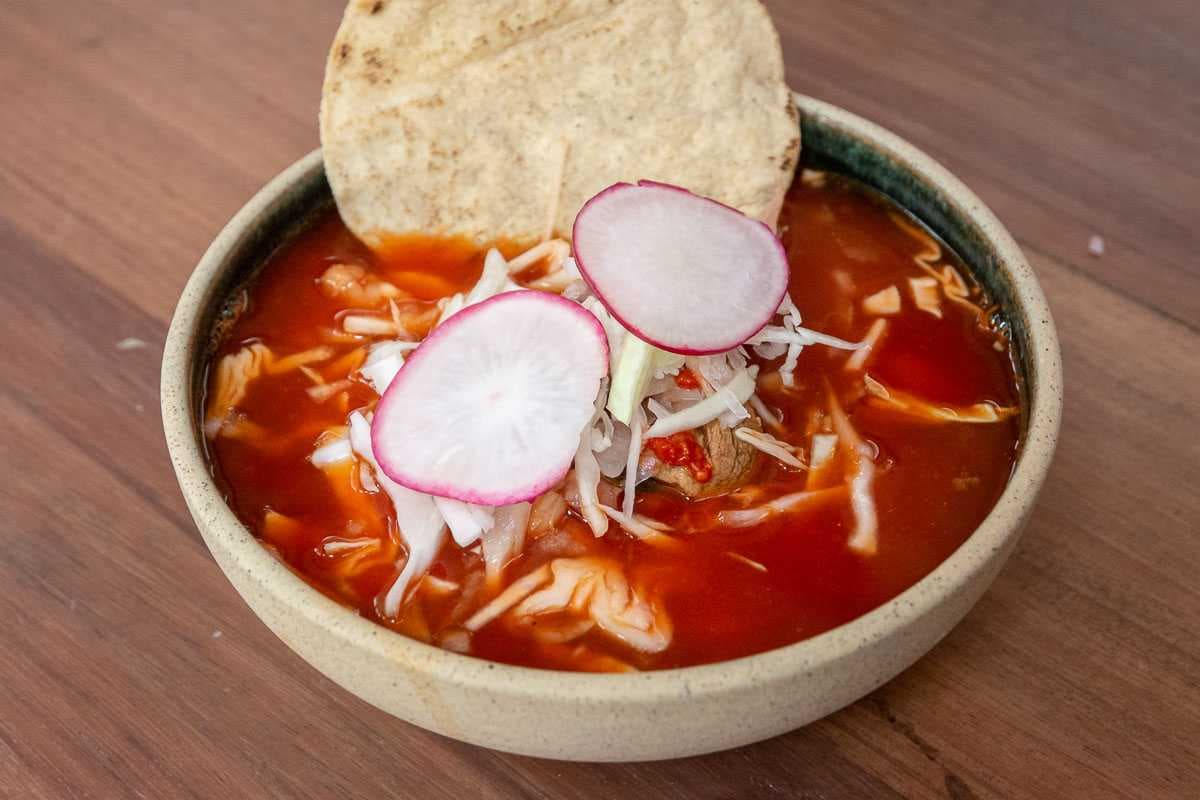
A hominy stew made with pork or chicken and chile broth.
Where to find pozole around Lake Chapala
What is pozole?
Pozole is a chile broth stew with pre-hispanic origins that’s made from hominy and, usually, pork. The broth is chile-based (except for white pozole) and it’s most often made with ancho and/or guajillo chiles.
Pozole is a popular dish around Lake Chapala, especially on the weekends. Nationally, it’s common for people to eat pozole on New Year’s Eve, other holidays and special occasions.
It’s a hearty soup, so one bowl is a complete meal.
How is pozole made?
Pozole is a time-intensive process that takes a day to make and starts with the corn, which is turned into hominy by a traditional Mesoamerican process called nixtamalización. The hard corn kernels are softened overnight in slaked lime and water, which affects the composition of the corn. This makes it more nutritional and much easier to digest.
LEARN MORE: About common types of Mexican food found at Lake Chapala by reading our food guide.
The nixtamalización process also naturally extends the shelf life of food that it’s made with, such as tortillas.
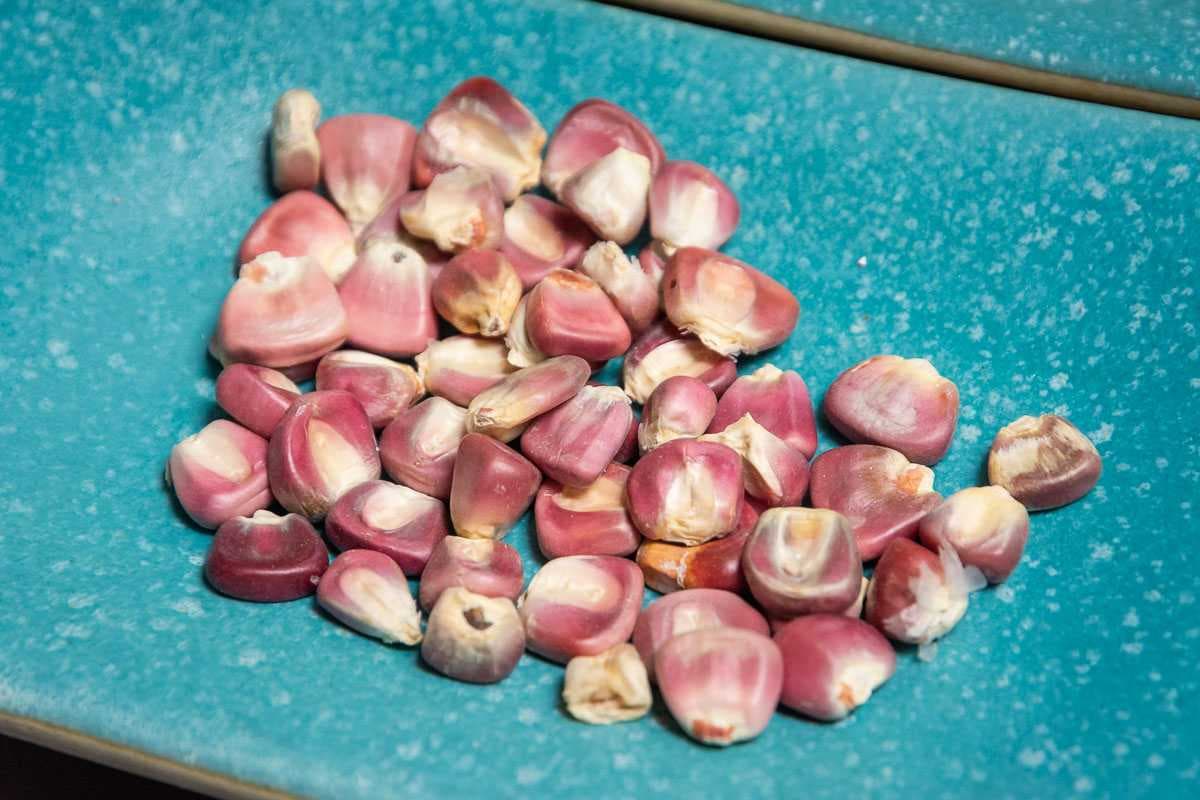
Sometimes purple corn is used, but you’ll most often find white corn used in the pozoles made in Ajijic and around the area.
WATCH: This video about how to nixtamalizar corn to make hominy.
Many regional variations of pozole come from all over the country, with red, green and white pozole usually being the most common. The color comes from whether the version uses red, green or no chile. Pozole most often comes with pork, but you can find it with chicken instead, particularly in green pozole.
Around the Ajijic area, the red pozole with pork is served almost exclusively in restaurants. Red pozole is the regional variety that’s most common in Jalisco.

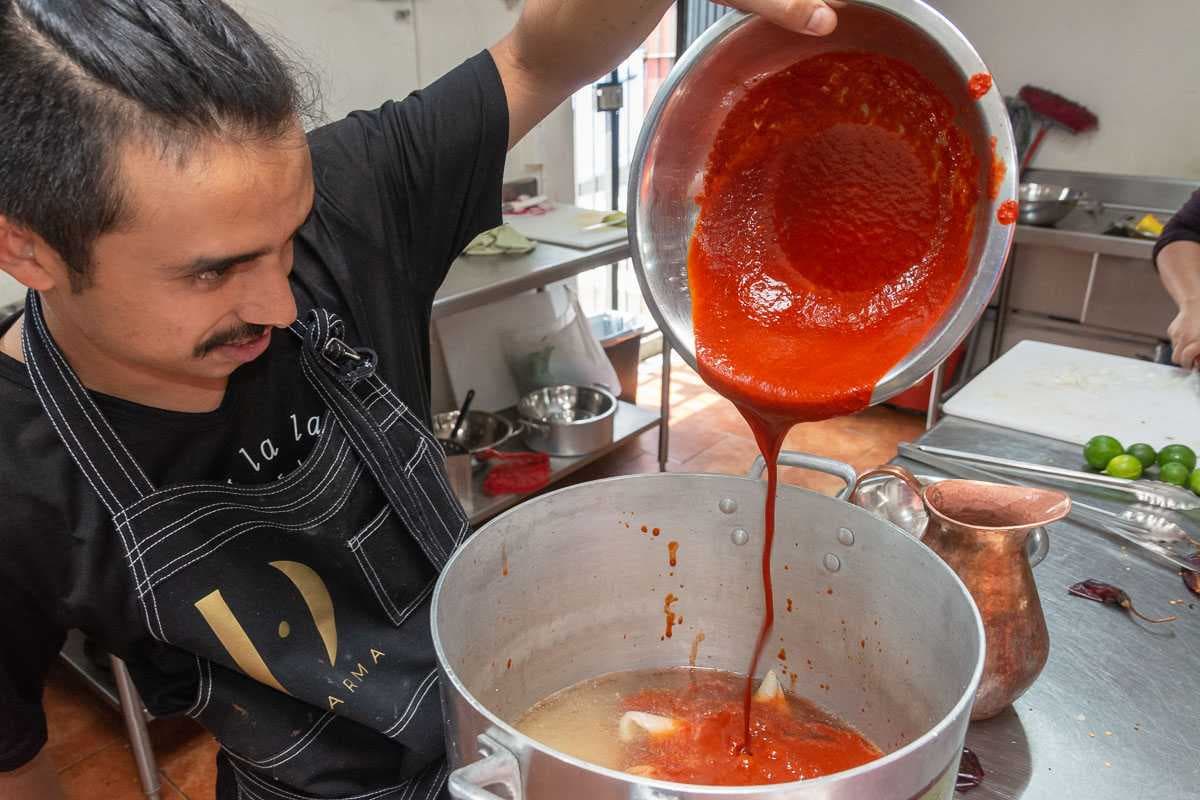
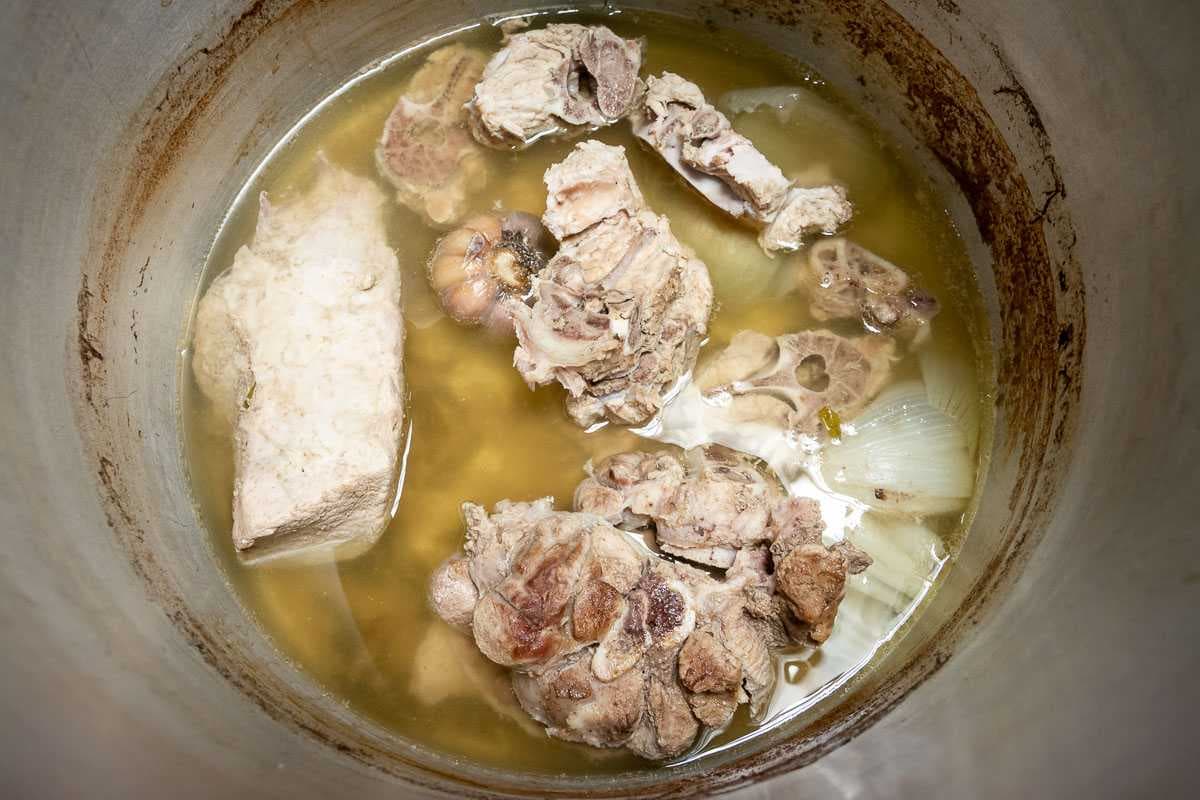
The pork can come from a few different areas of the area, including the shoulder, loin, leg or a vertebra with the surrounding meat. At restaurants, you can usually ask the waiter for your preference.
In pre-hispanic times, pozole was made with rodent meat and, sometimes, with the bodies of sacrificed people, as explained in the following video.
WATCH: “Why Pozole Is the Most Controversial Soup in Indigenous Mexican Culture”
The hominy, when perfectly cooked, is firm (not mushy), but not hard enough that it crumbles into a chalky paste in your mouth.
Usually, the pozole that’s served in the Lake Chapala area is not that spicy, in spite of the chiles used in the recipe. It’s usually served with a hot sauce on the side that you can add at your own risk.

Along with your pozole, your waiter will probably bring you a plate with shredded cabbage, diced onion, sliced radishes and halved limes. Add these items to the pozole as desired.
Tostadas are also usually served with pozole and everyone has their preferred way of eating them. You can pile some pozole on top of a whole tostada. Or break up the tostada first. Or dip it into the pozole and use it as a scoop. Or snack on them in between bites of pozole.

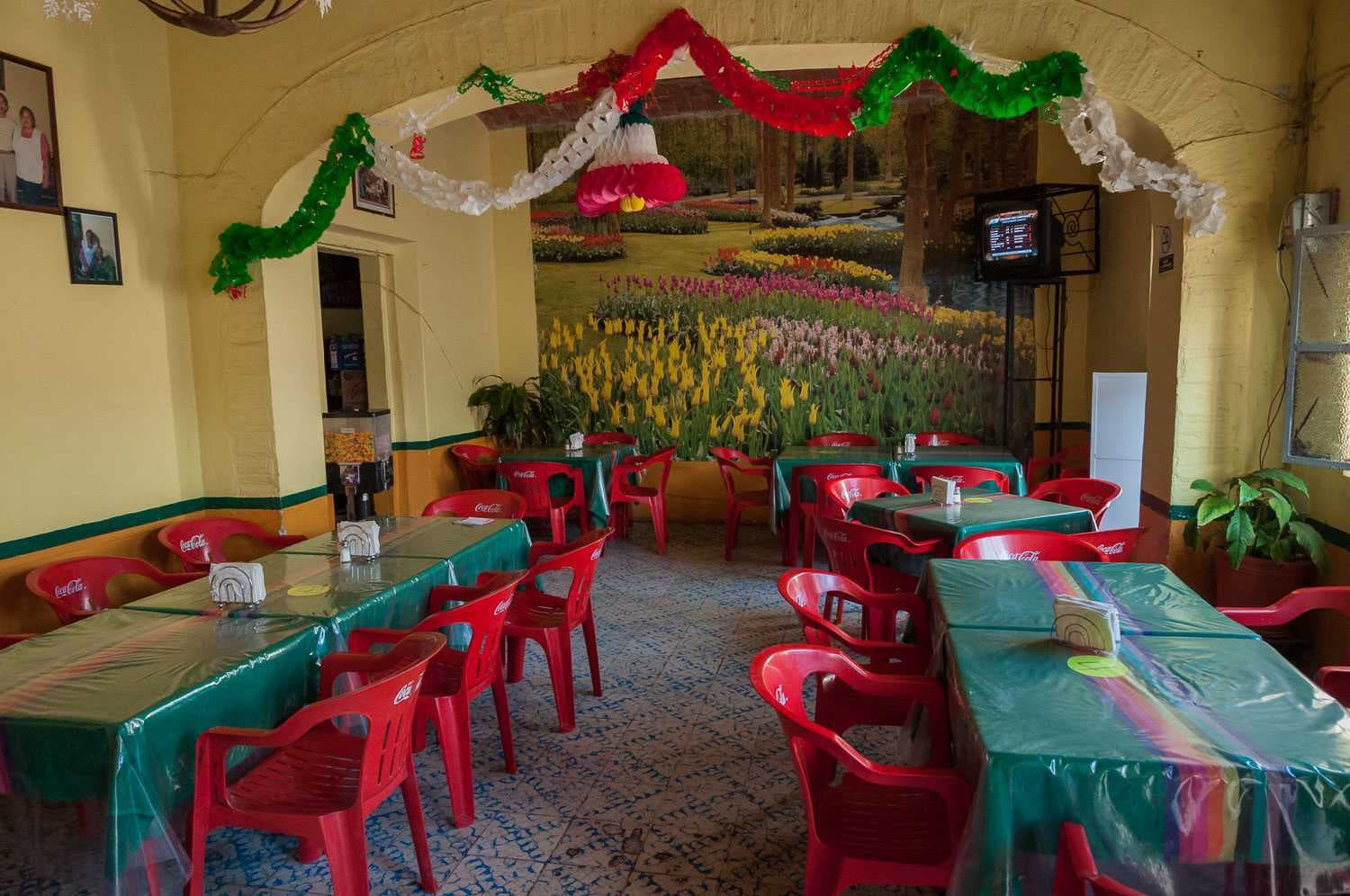
The snapping sound caused by diners breaking up tostadas is just another reason to get out to your local cenaduría, such as Cenaduría Memo near the Ajijic plaza. It’s been serving up some of the best pozole in town for the past 50 years.

LEARN MORE: About common types of Mexican food found at Lake Chapala by reading our food guide.
Last updated: 2024-09-29
You might enjoy

Promotion